
Paraguay
Paraguay
Mining friendly jurisdiction
- Corporate tax rate of 10%
- UEC has an established network and in-country knowledge
Excellent Infrastructure
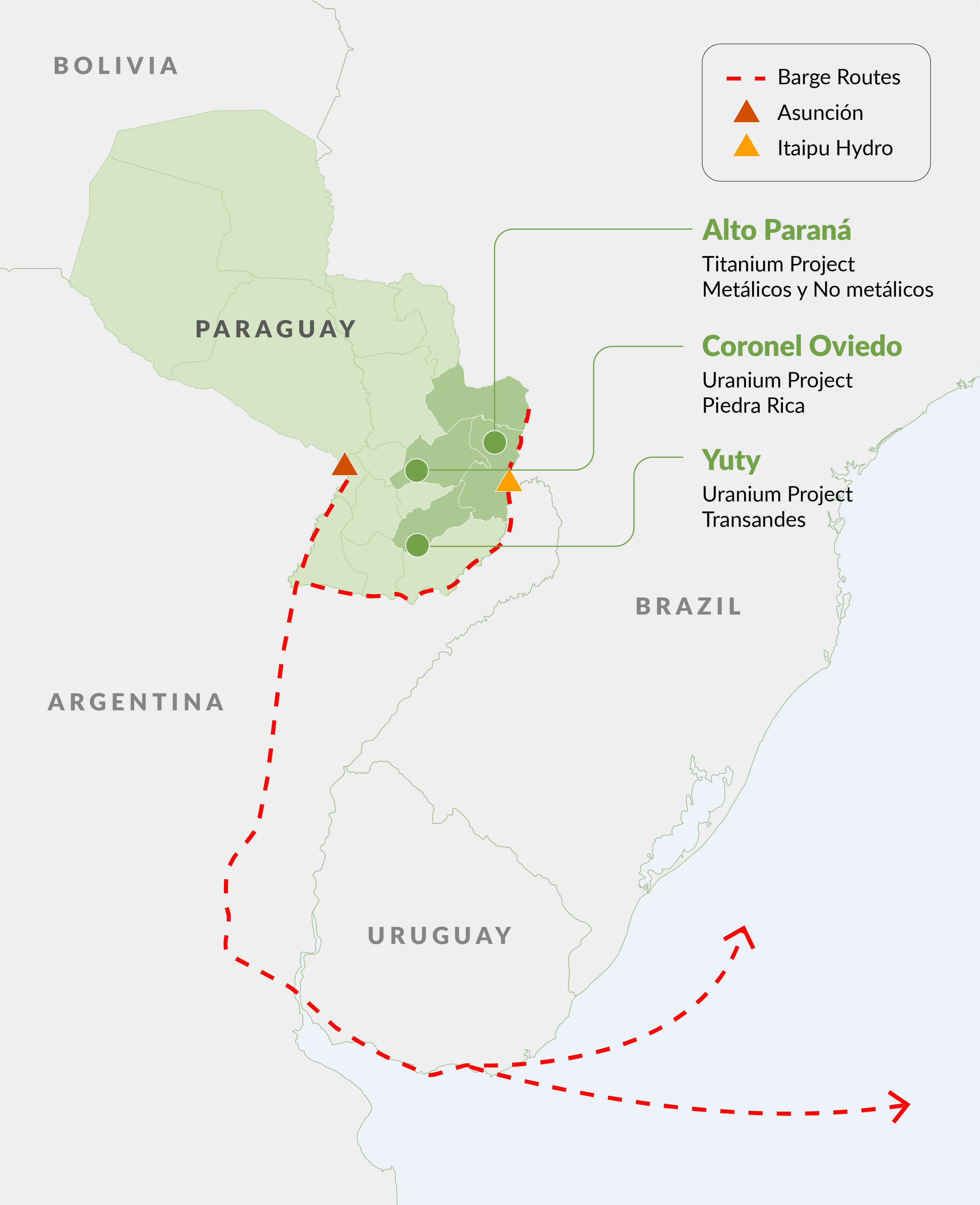
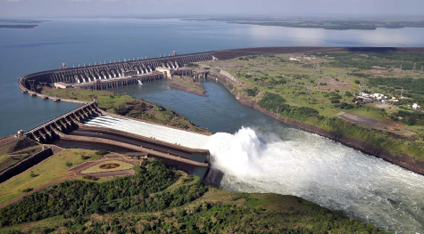
- Paraguay the world's largest exporter of electric power with two large hydroelectric power projects
- Itaipu hydro power project is the world's second largest generating station
Transport options available
- Paraguay has the 3rd largest barge fleet in the world providing easy access to ocean ports
- Ability for HandySize ocean going vessels of up to 25,000 dwt to port in Uruguay and Argentina
- Road transport to Asunción facilitated though national sealed highways
In Situ Recovery Technology (ISR)
- Similar to UEC’s fully licensed projects in Texas and Wyoming, Yuty and Oviedo uranium projects employ low cost, environmentally friendly, in-situ recovery or ISR mining technology
- For more information on ISR mining, view the animated video as set out under the ISR section of the website
Snapshot
Alto Paraná Titanium Project
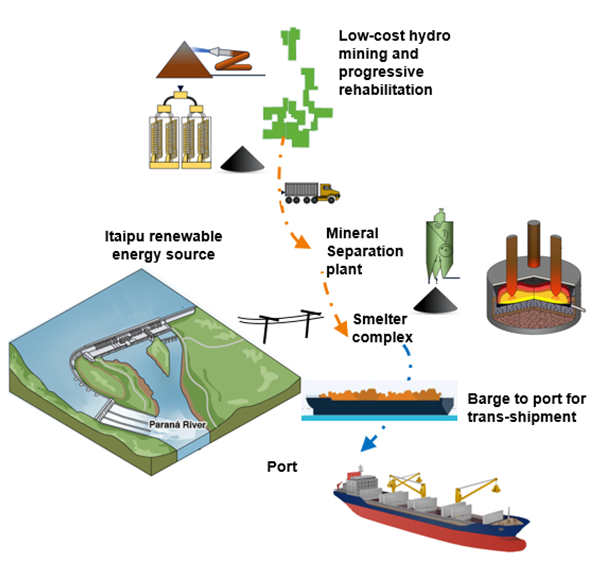
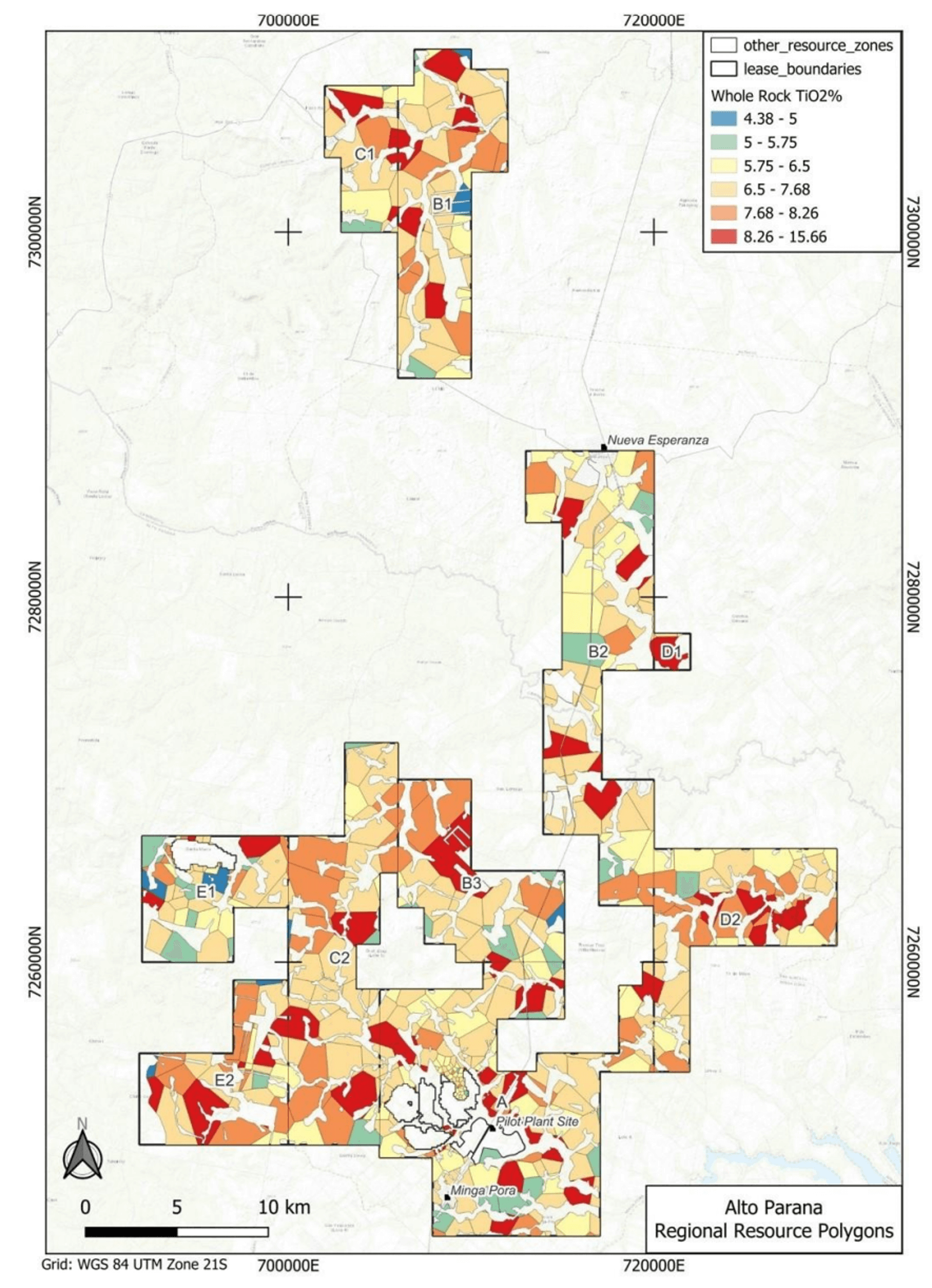
The Alto Paraná Project hosts a globally significant titanium resource with a S-K 1300 Technical Report featuring an Inferred Mineral Resource of 3.58 billion tonnes at an average grade of approximately 7.3% TiO₂ and an Indicated Mineral Resource of 70 million tonnes at an average grade of approximately 7.6% TiO₂
World-class ilmenite deposit
- Inferred Mineral Resource of 3.58 billion tonnes at an average grade of approximately 7.3% TiO₂ and an Indicated Mineral Resource of 70 million tonnes at an average grade of approximately 7.6% TiO₂
- Surface deposit, extensive lateral grade and consistency
- Base case 150ktpa slag utilises < 0.2% of Regional Resource per year
- Stretch case 500ktpa slag utilises < 0.7% of Regional Resource per year
Favourable position - low cost & low carbon intensity
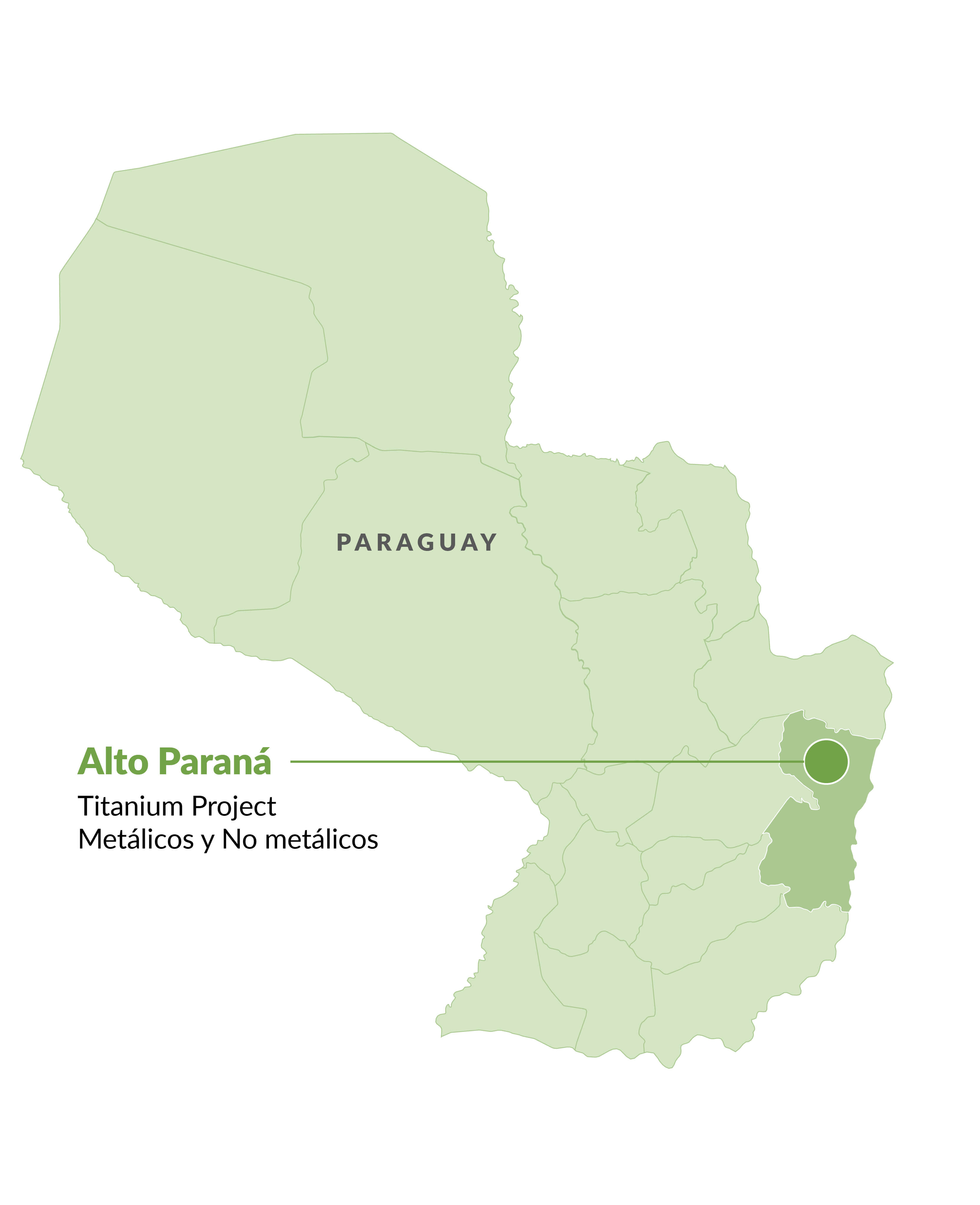
- Located in Eastern Paraguay in Alto Paraná Province Approximately 100 km North of Ciudad del Este
- Close to major hydroelectric power source
- CO2e/t of final product lowest of all existing slag producers evaluated
Compelling financial results
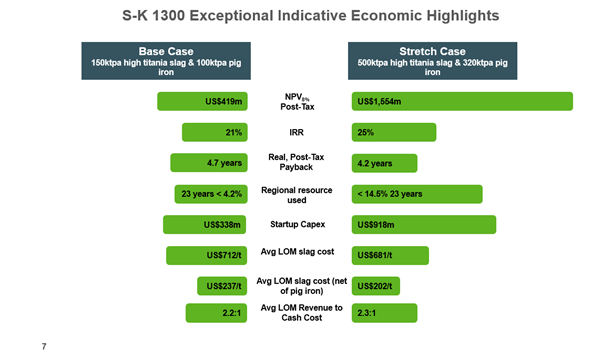
- Base case of 150ktpa High Titania Slag - NPV US$419m 21% IRR
- Stretch case of 500ktpa High Titania Slag - NPV US$1,554m 25% IRR
Exceptional team - technically well advanced
- Clear development strategy - experienced titanium industry team
- Proven conventional process technology – mine to smelter
Strongly supported by current market fundamentals
- Chloride slag, forecasted to experience the fastest demand growth
- Project well timed for development
Project Overview
Salient Points
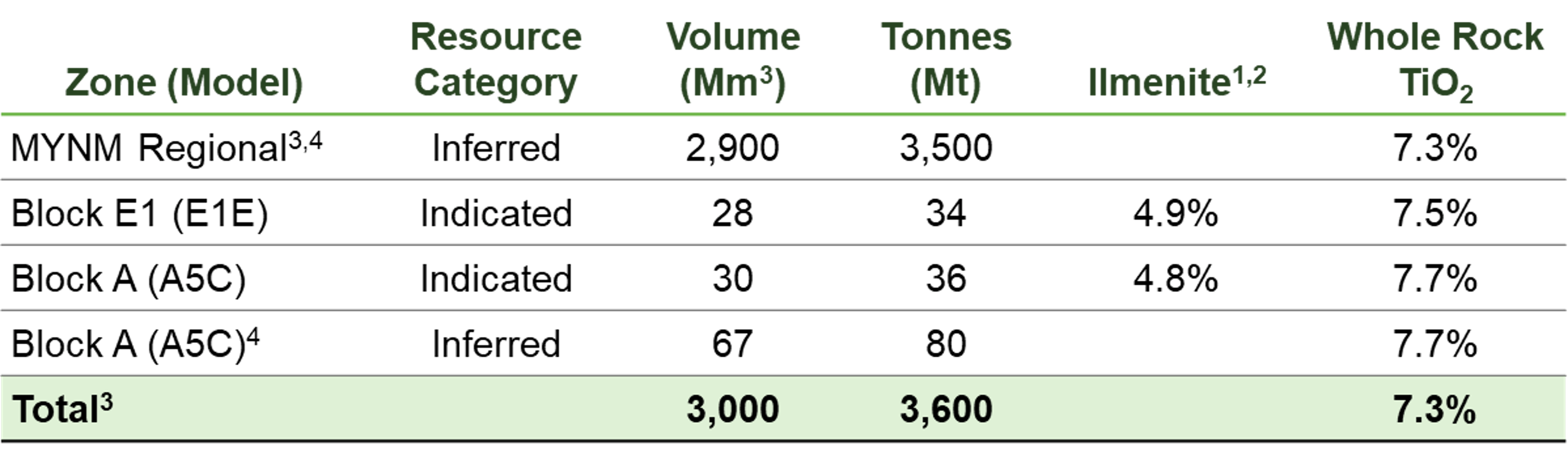
- Fully integrated and powered by renewable energy
- Low-cost mining operation
- Proven conventional process producing an ilmenite smelter feed
- Arc furnace/s to produce a high titania slag and high purity pig iron
- Significant expansion potential
Base Case
- Capacity ~150,000 tpa of high titania slag including chloride fines
- ~100,000 tpa high purity pig iron
Stretch Case
- Capacity ~500,000 tpa of high titania slag including chloride fines
- ~320,000 tpa high purity pig iron
Mineral Resources
S-K 1300 Economic Assessment
In November 2023, UEC has filed an Initial Assessment Technical Report Summary (“TRS”) in accordance with Item 1302 of Regulation S-K (“S-K 1300”) on EDGAR disclosing Mineral Resources and an economic assessment for the Company’s 100% owned Alto Paraná Titanium Project located in Paraguay (the “Project” or the “Alto Paraná Project”).
Key Highlights:
- Alto Paraná Titanium Project is a world-class project with a S-K 1300 Technical Report, featuring an Inferred Mineral Resource of 3.58 billion tonnes at an average grade of approximately 7.3% TiO₂ and an Indicated Mineral Resource of 70 million tonnes at an average grade of approximately 7.6% TiO₂
- The TRS and economic assessment considered two scenarios using Inferred and Indicated Resources:
1. Base case - NPV8 of $419 million and a 21% post-tax IRR, utilizing less than 0.2% of the Regional Resource per annum; and
2. Stretch case - NPV8 of $1.55 billion and a 25% post-tax IRR, utilizing less than 0.7% of the Regional Resource per annum. - The TRS and economic assessment was co-authored by TZ Minerals International Pty Ltd (TZMI), a global, independent consulting and publishing company which specialises in the mineral sands, titanium dioxide and coatings industries.
Economic Assessment
Alto Paraná Project has the potential to be a significant high titania slag and high purity pig iron producer which is expected to rank in the first quartile of the TZMI long-term industry revenue to cash cost ratio curve, with exceptional low greenhouse gas emission intensity.
Notes:
1. In the base case economic analysis 58% of the resources are Inferred and in the stretch case 86% of the resources are Inferred.
2. The economic assessments are preliminary in nature, they include Inferred Mineral Resources that are considered too speculative geologically to have modifying factors applied to them that would enable them to be categorized as Mineral Reserves, and there is no certainty that these economic assessments will be realized.
Project resource estimate positions Alto Paraná as one of the highest-grade and largest-known Ferro-Titanium deposits on the globe.
Titanium
Titanium Dioxide
Titanium dioxide is used in many “quality of life” products for which demand historically has been linked to global gross domestic product (“GDP”), ongoing urbanization trends and discretionary spending. There is no economical substitute or environmentally safe alternative to titanium dioxide.
Majority of all the mined titanium feedstocks are used to manufacture pure titanium dioxide – a pigment that enhances brightness and opacity in paints, inks, paper, plastics, food products and cosmetics. The remaining circa 10% of supply is used in the production of titanium metal and steel fabrication.
Sulfate ilmenite and chloride slag accounting for a combined 65% of overall feedstock supply. Chloride slag, the primary product of the Alto Paraná Project, is anticipated to be a key beneficiary of the long-term structural deficit in natural rutile to supply high-grade feedstock to chloride pigment producers.
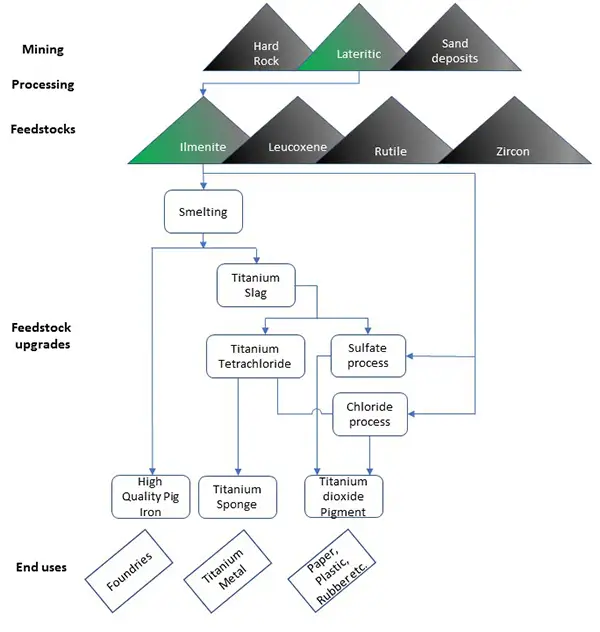
The diagram below sets out a typical flowsheet from mining to final product.
Leading the way for Green High Titania Slag and Pig Iron Production
Low Carbon and Environmentally Friendly:
- Renewable power centre piece to sustainability and ESG framework
- Fully integrated approach with hydraulic mining, electric drying and low reductant consumption
- Lowest greenhouse gas emissions per tonne of final products compared to ilmenite smelter considered in the TRS, TZMI study
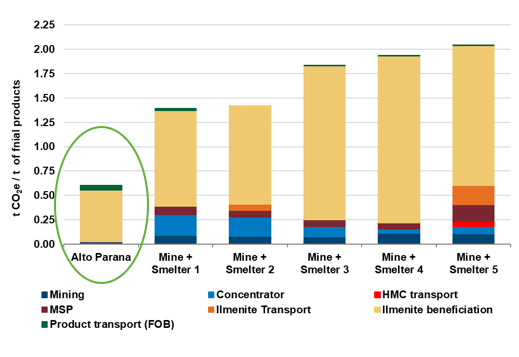
Note:
1. The TZMI industry GHG curve that is used in the comparison has been produced as part of the annual Feedstock Cost Study Report published by TZMI. The Feedstock Cost Study reviews the costs, revenue, production and Scope 1, Scope 2 and limited Scope 3 (feedstock transport only) GHG emissions data for producers across the titanium feedstock sector with 36 operations included in the 2022 study
2. Based on - Greenhouse Gas Protocol Technical Guidance for Calculating Scope 3 Emissions (Version1)” for transport of ilmenite
High Titania Slag & High Purity Pig Iron Project
Alto Paraná
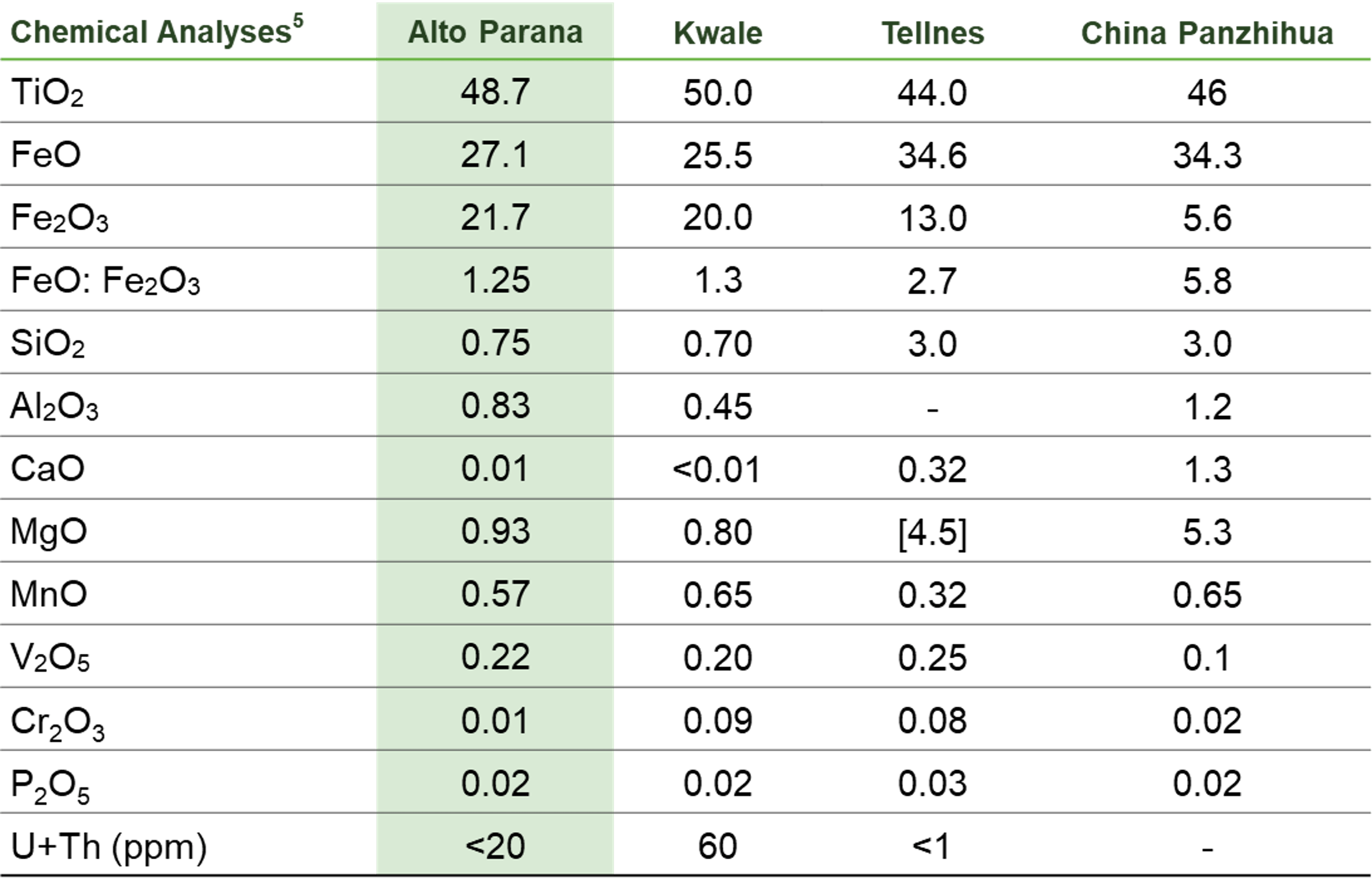
Chloride Slag >86% TiO2
- Alto Paraná chloride slag - low levels of: CaO, Cr2O3, MnO & U+Th
- The TiO2 content at >86% is in line with other chloride slag products in the marketplace
- Alto Paraná chloride slag and high purity pig iron with the lowest greenhouse gas emissions per tonne of final products compared to other ilmenite smelters considered in the TZMI analysis
Photo Gallery
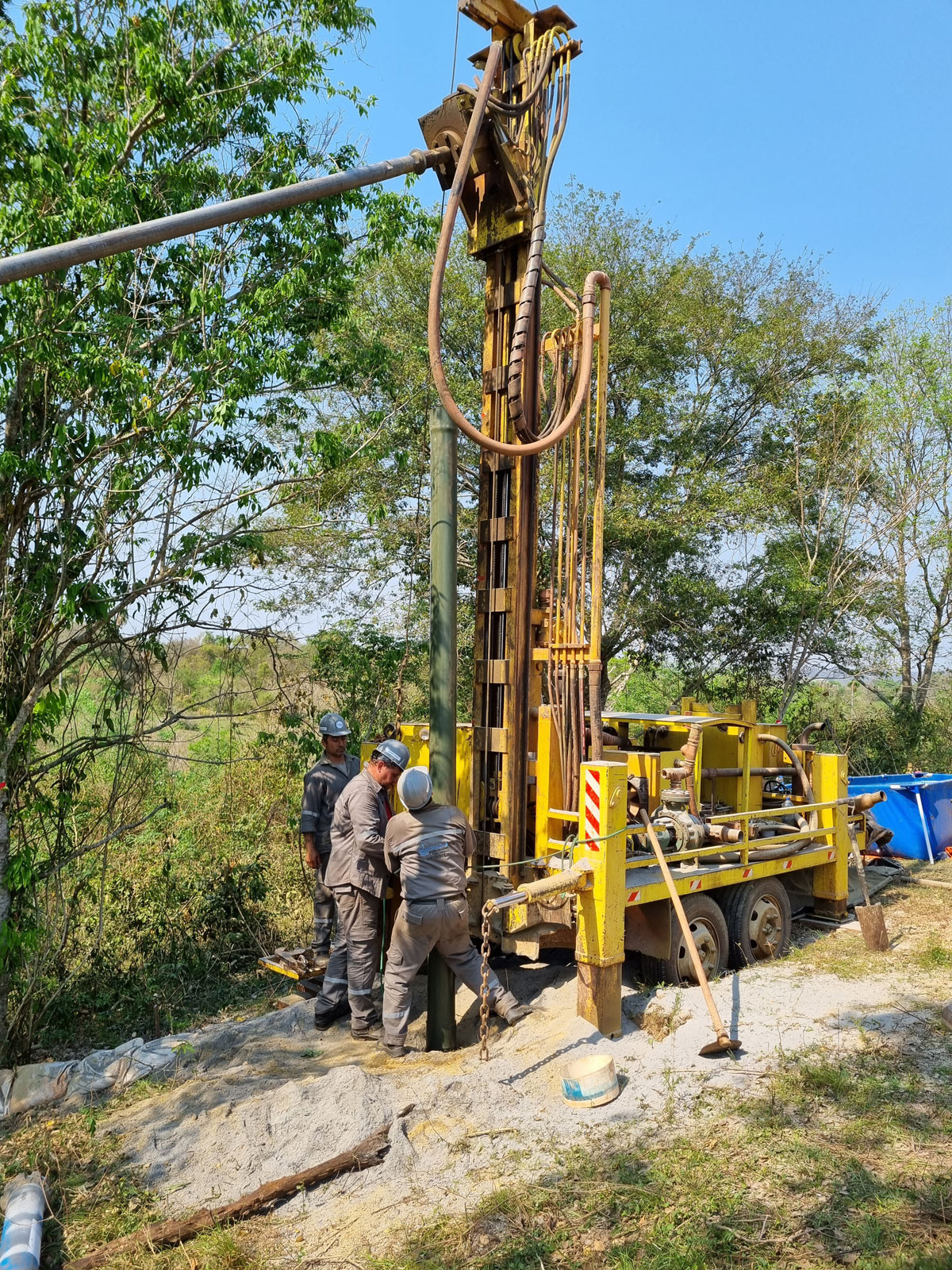
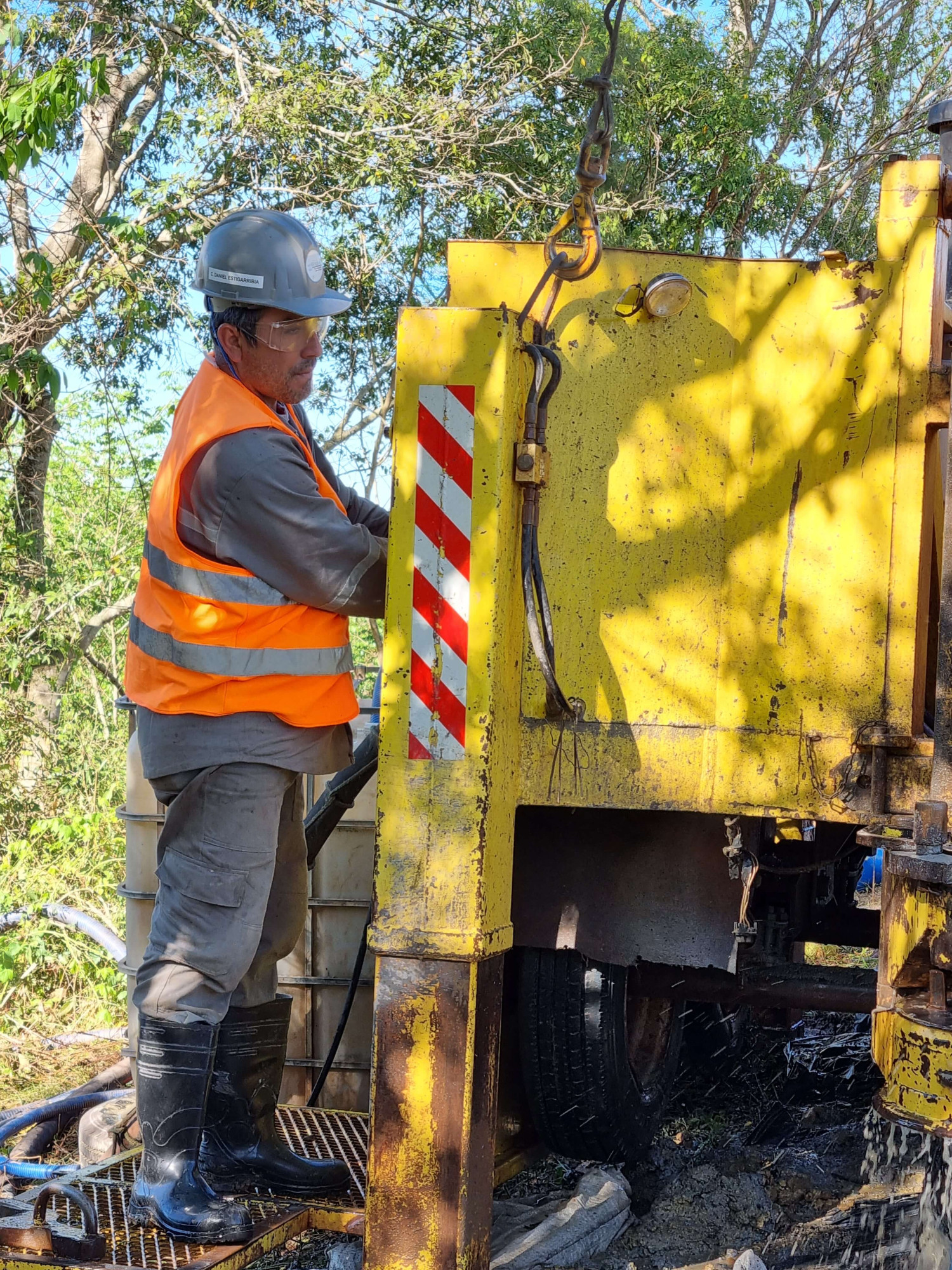
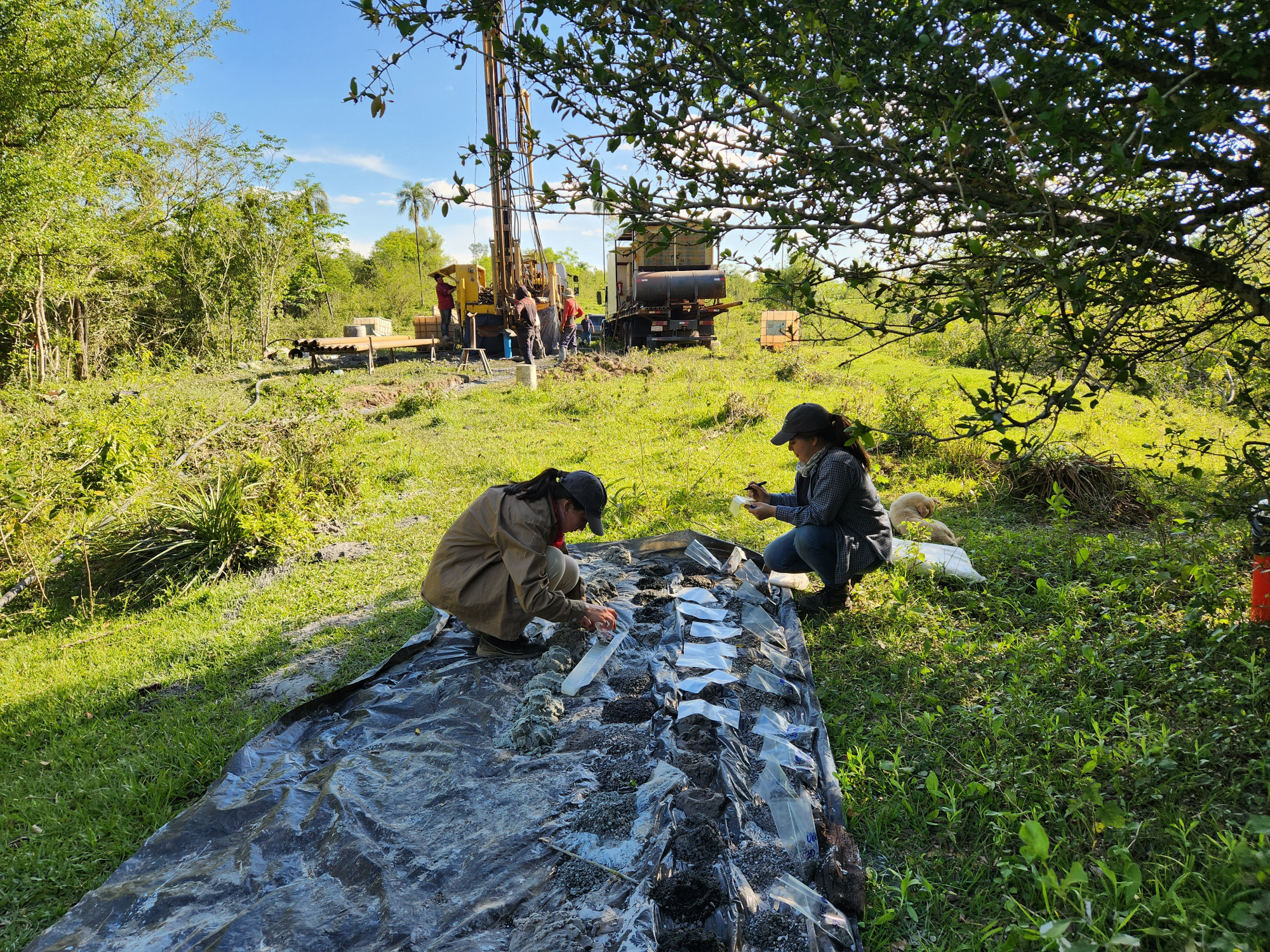
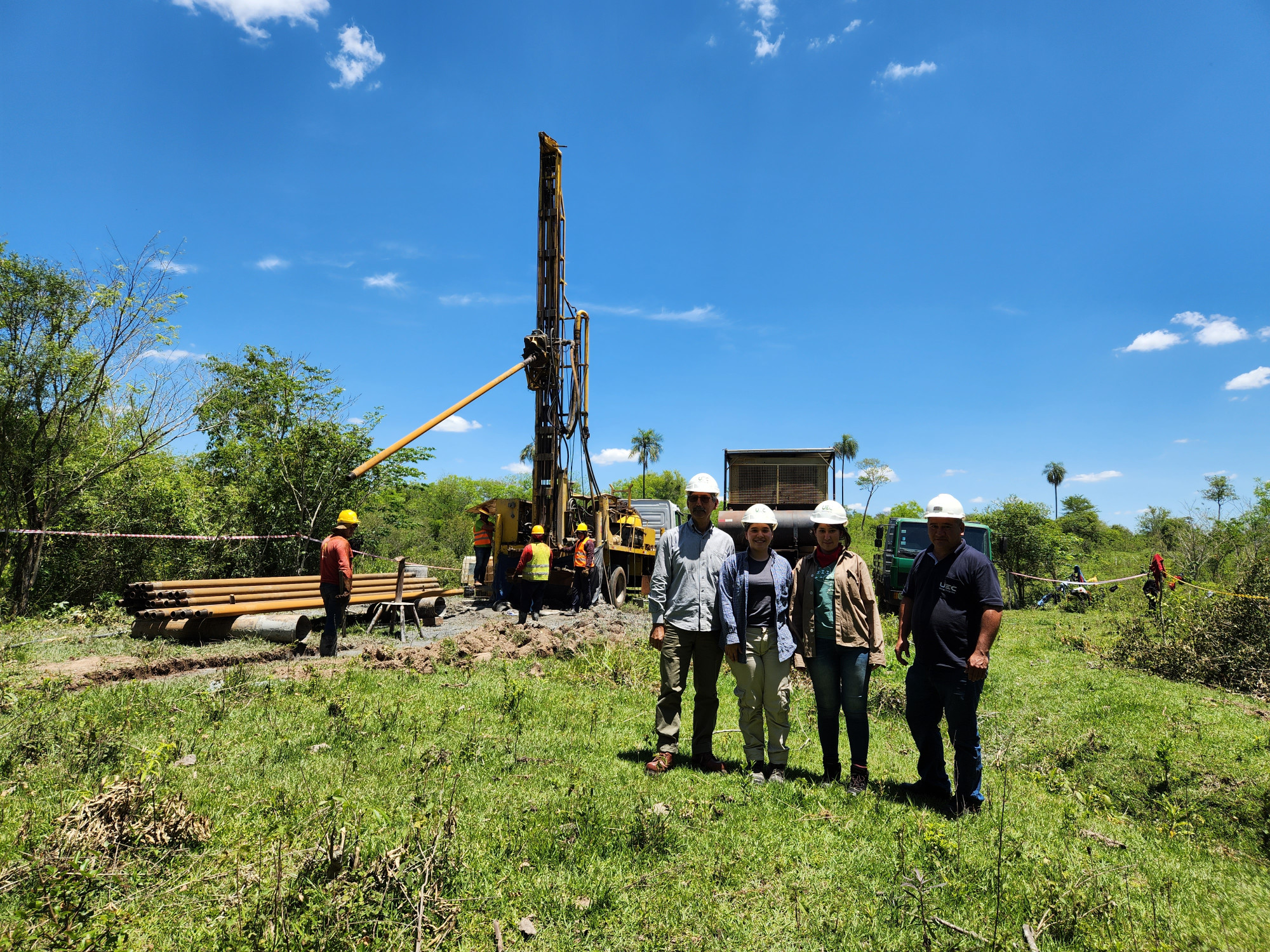
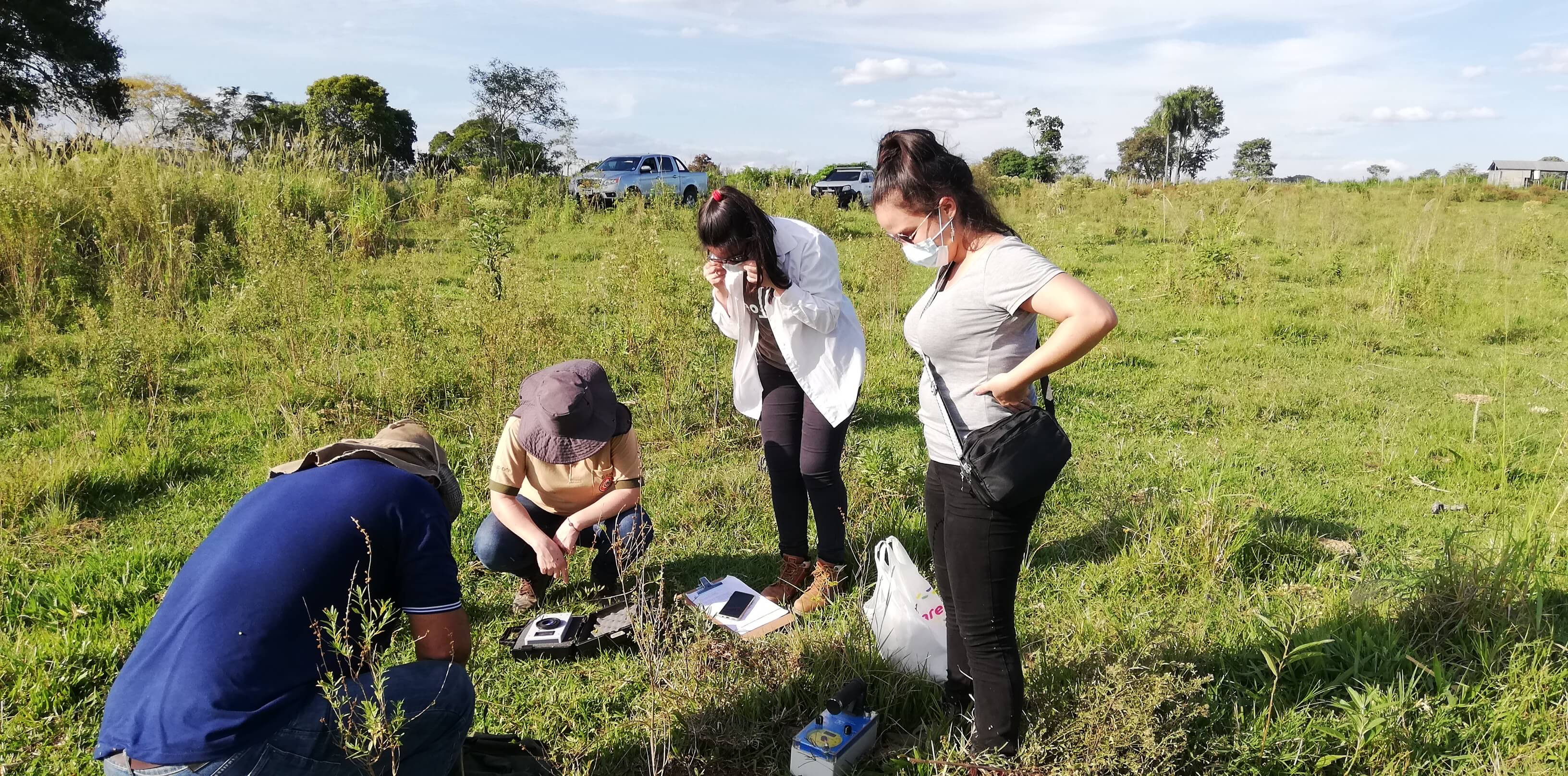
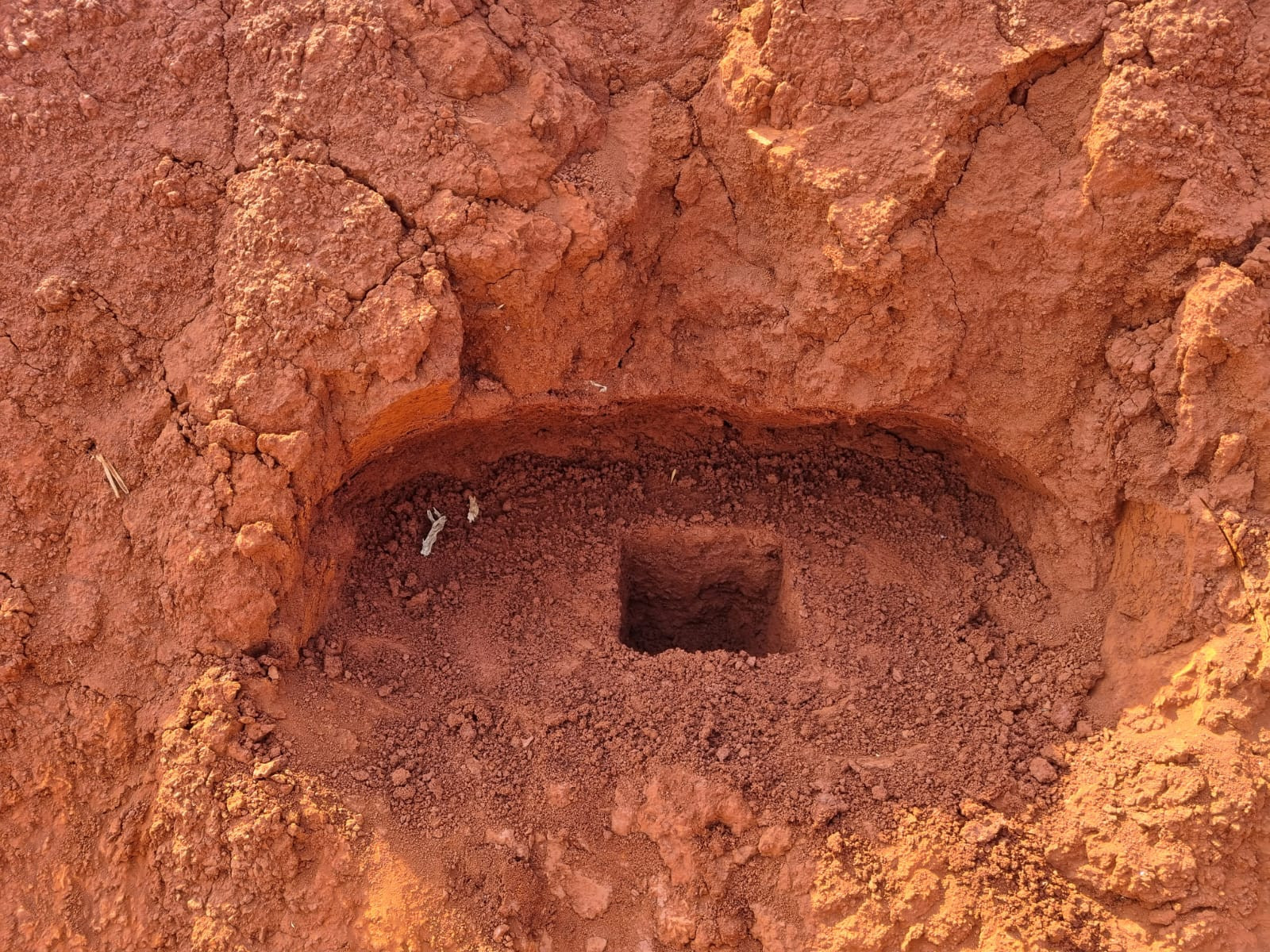
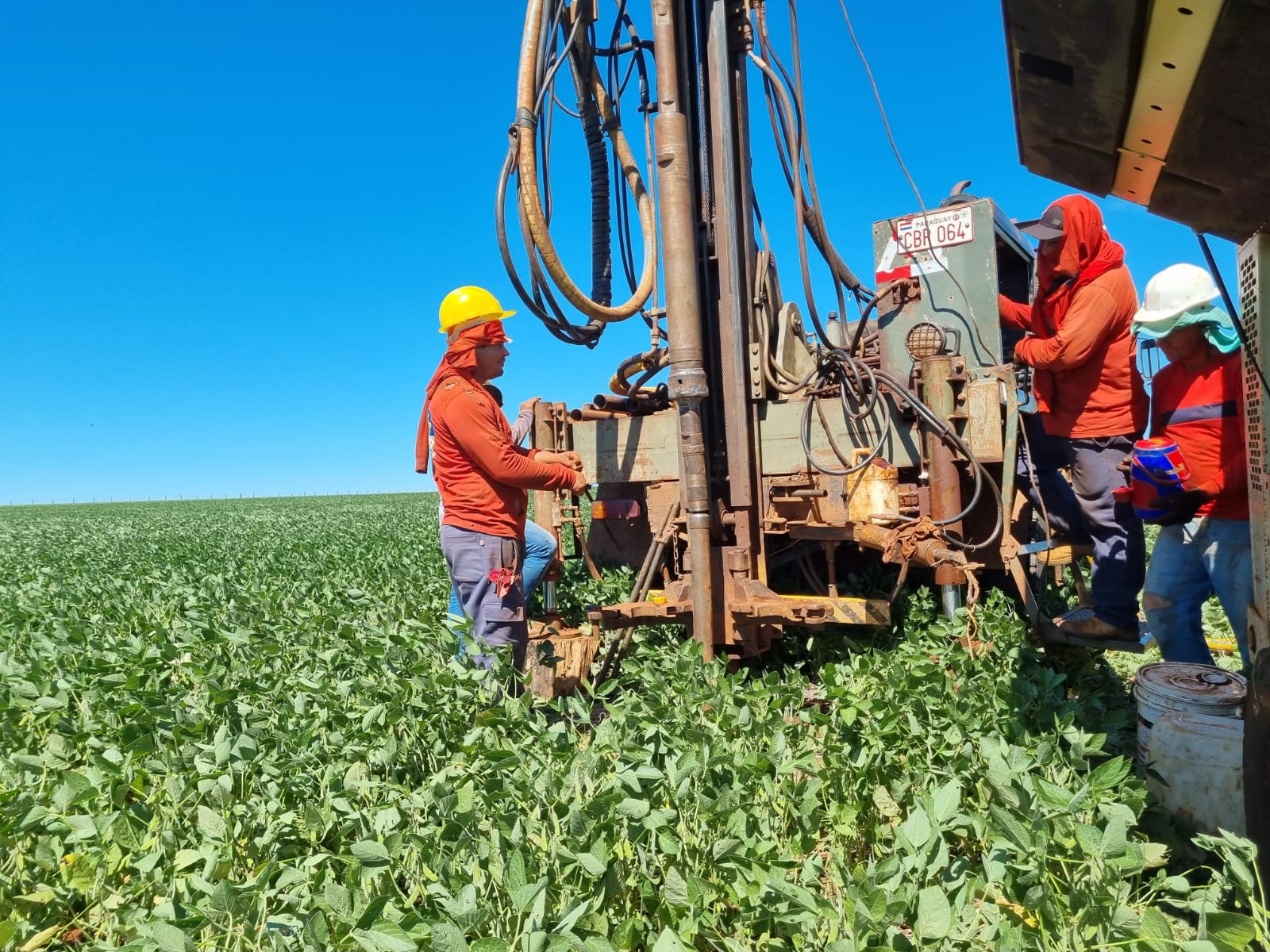
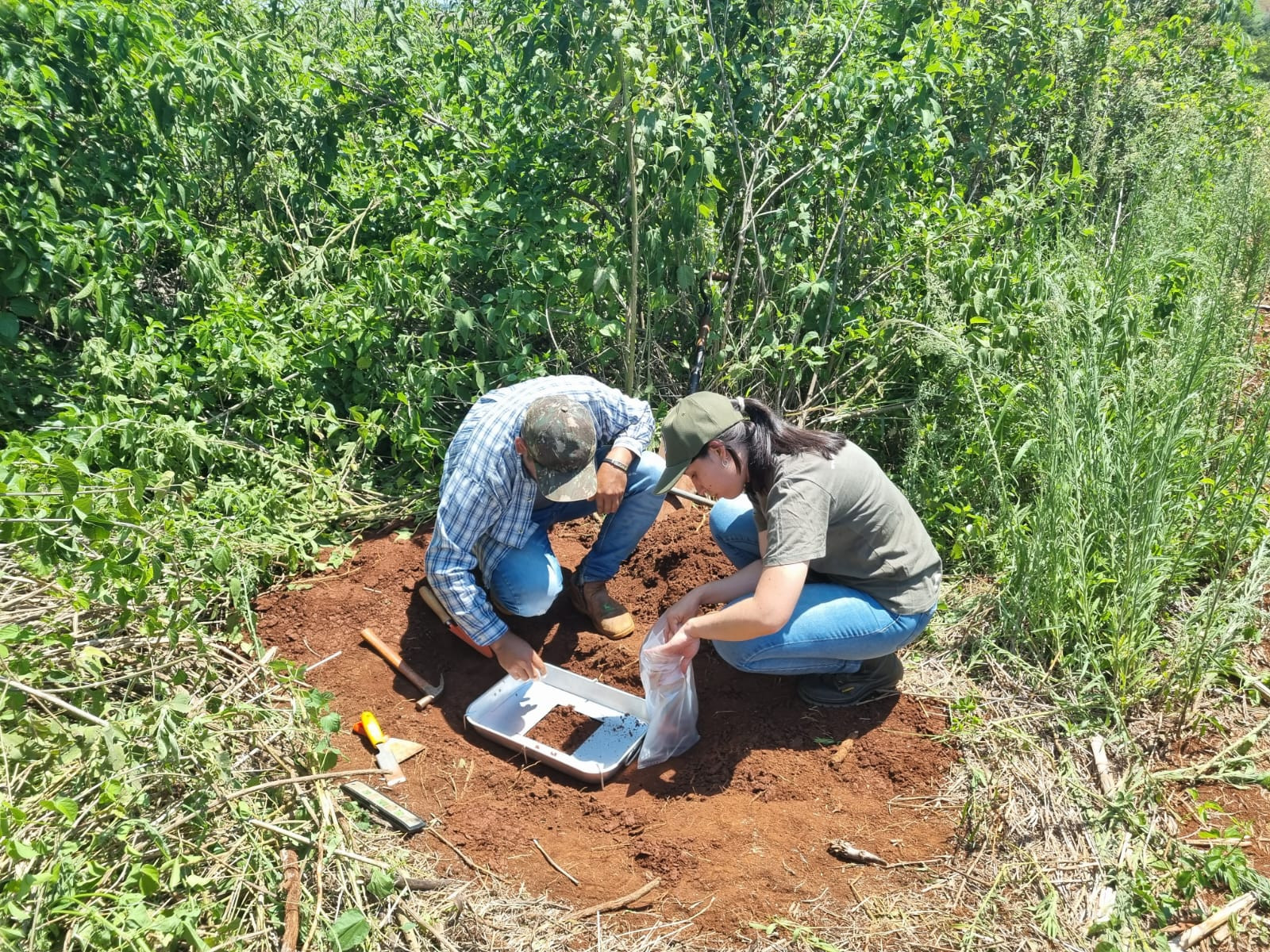
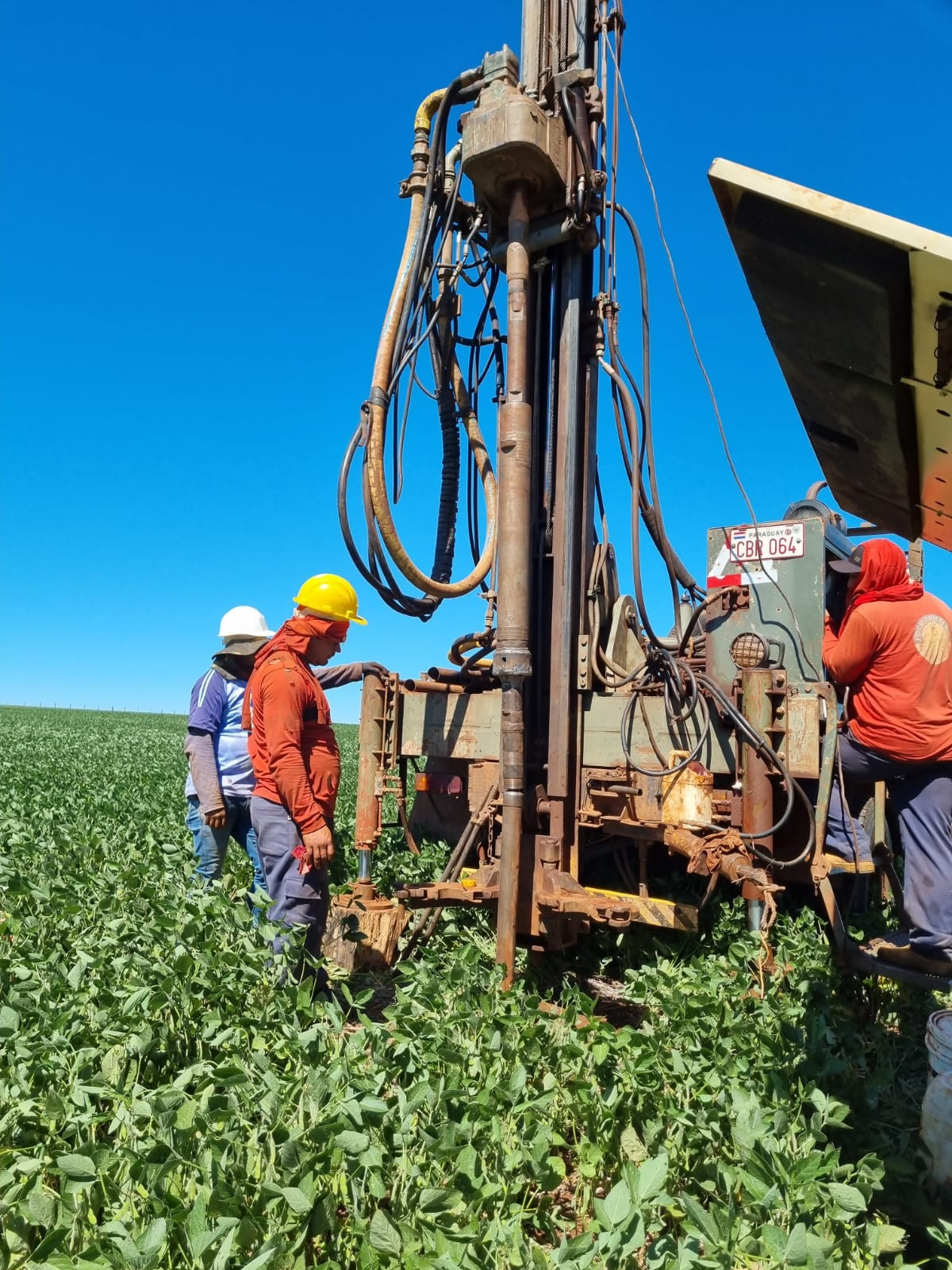
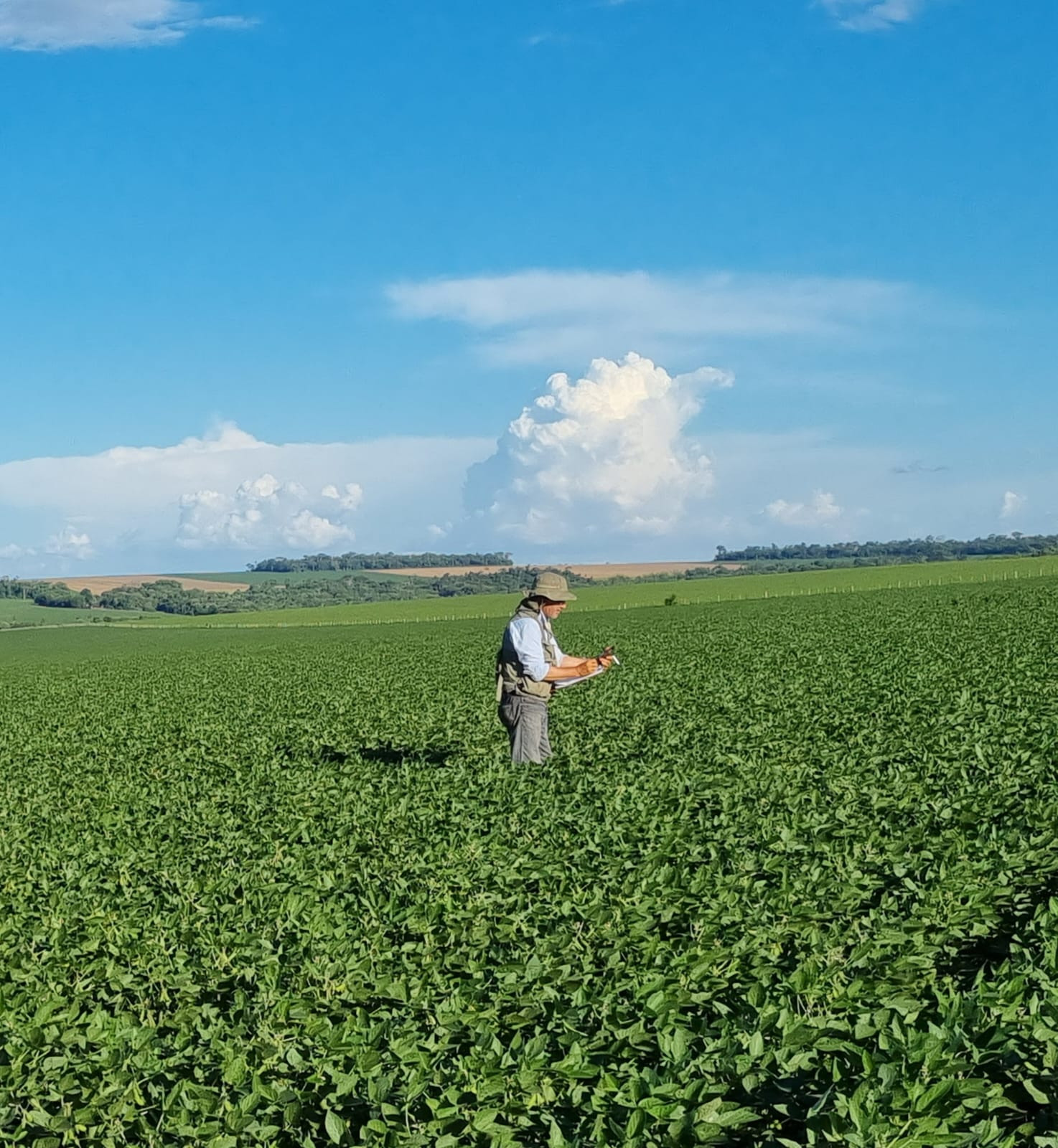
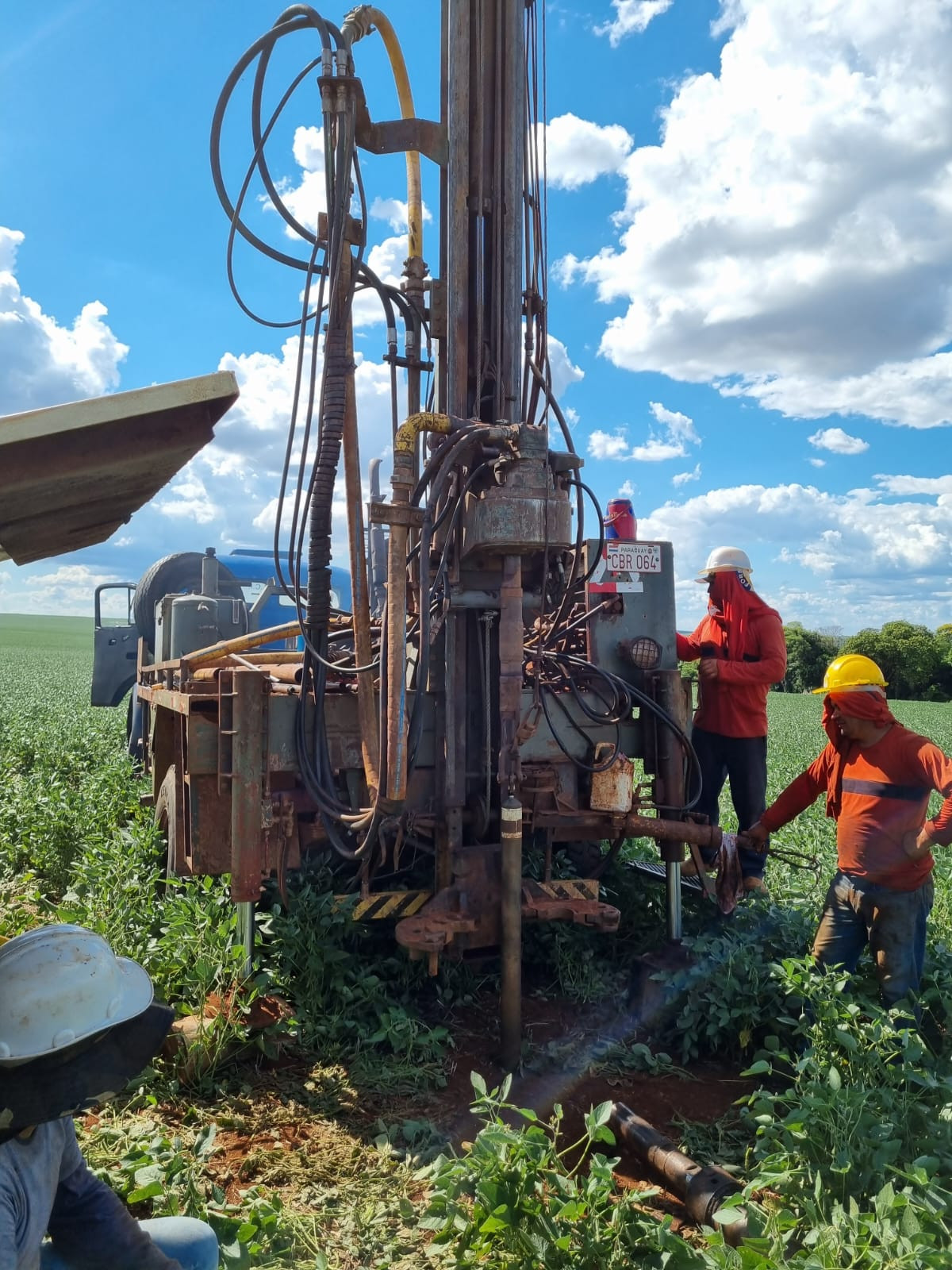
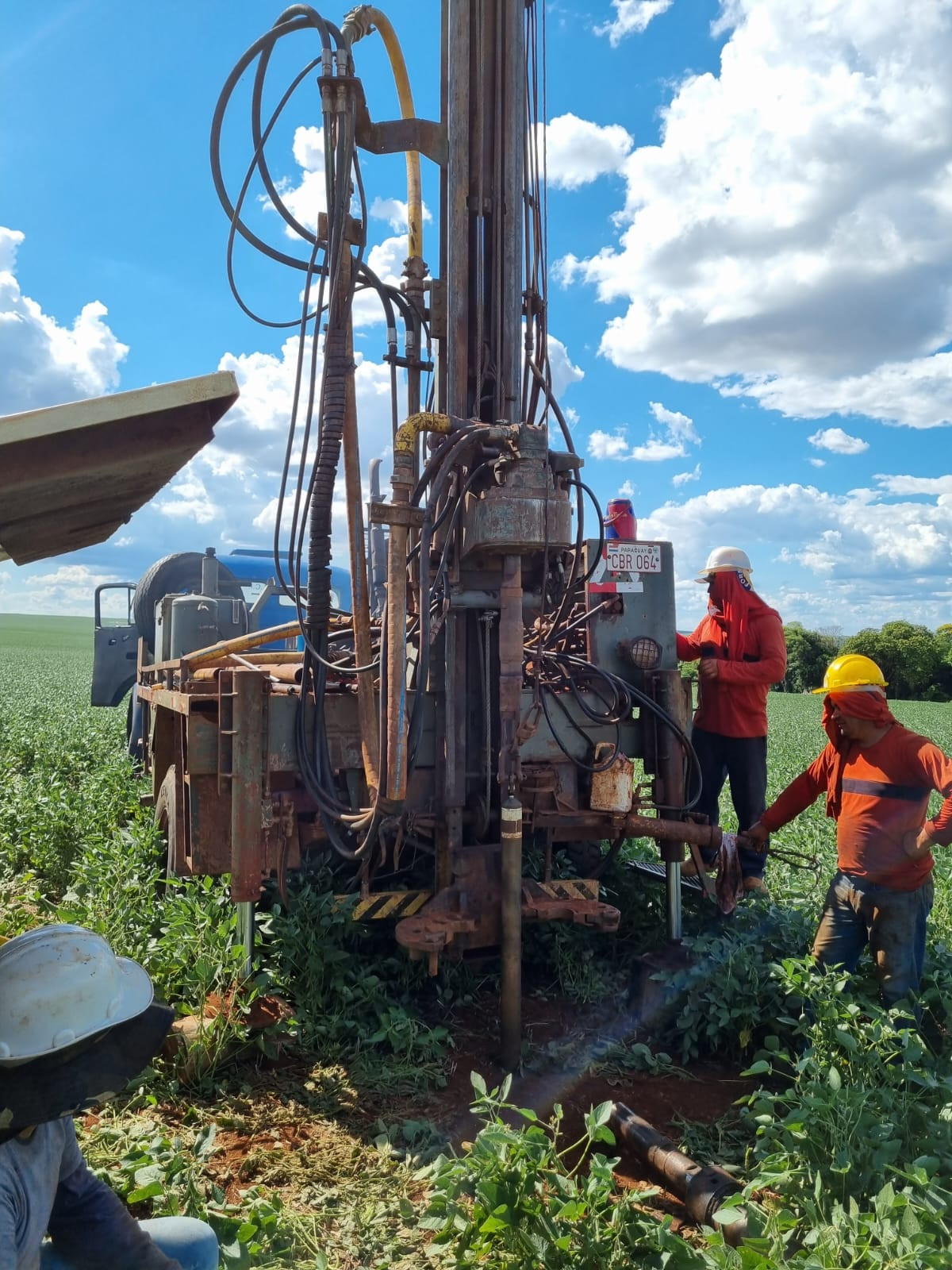
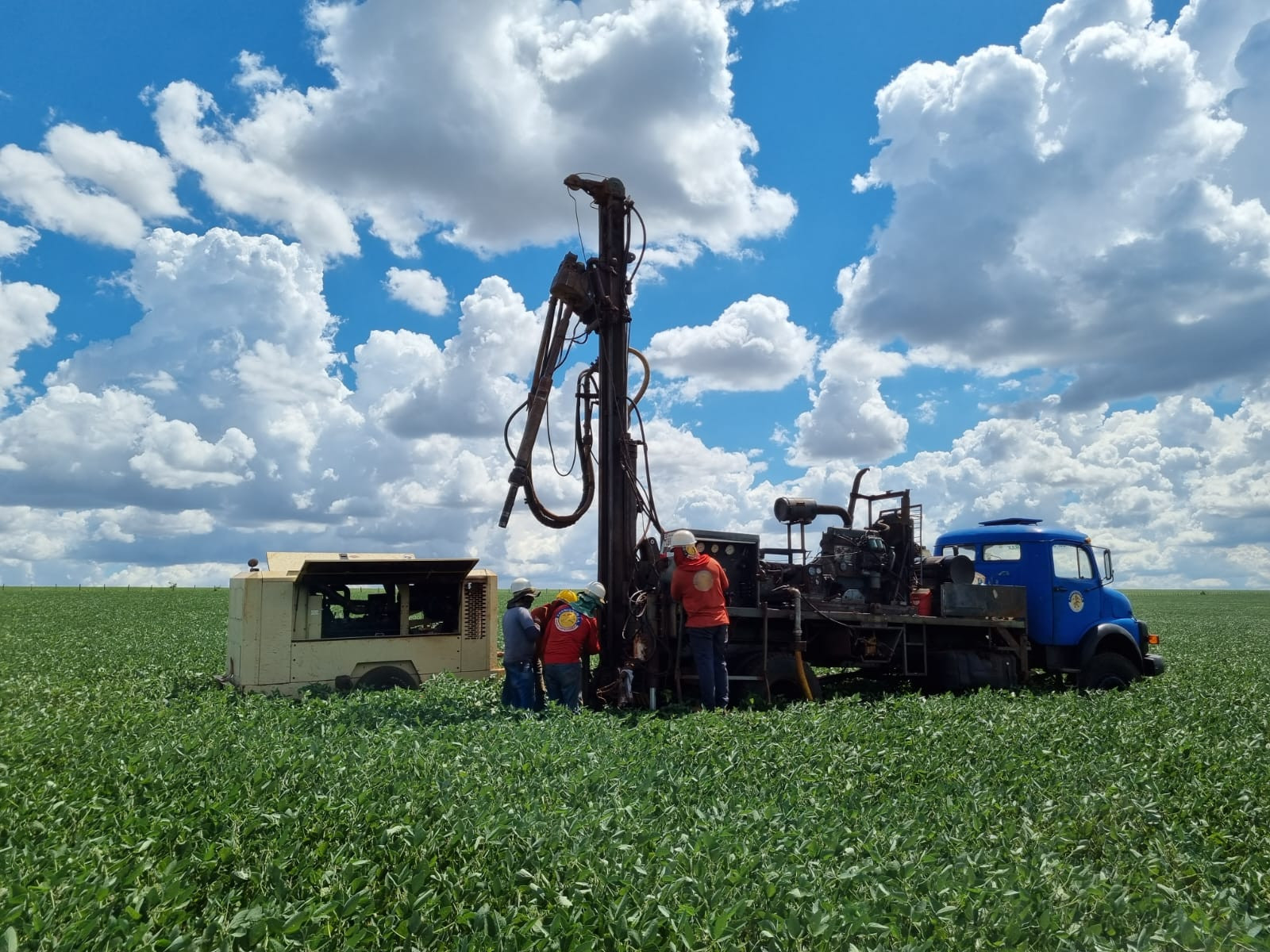
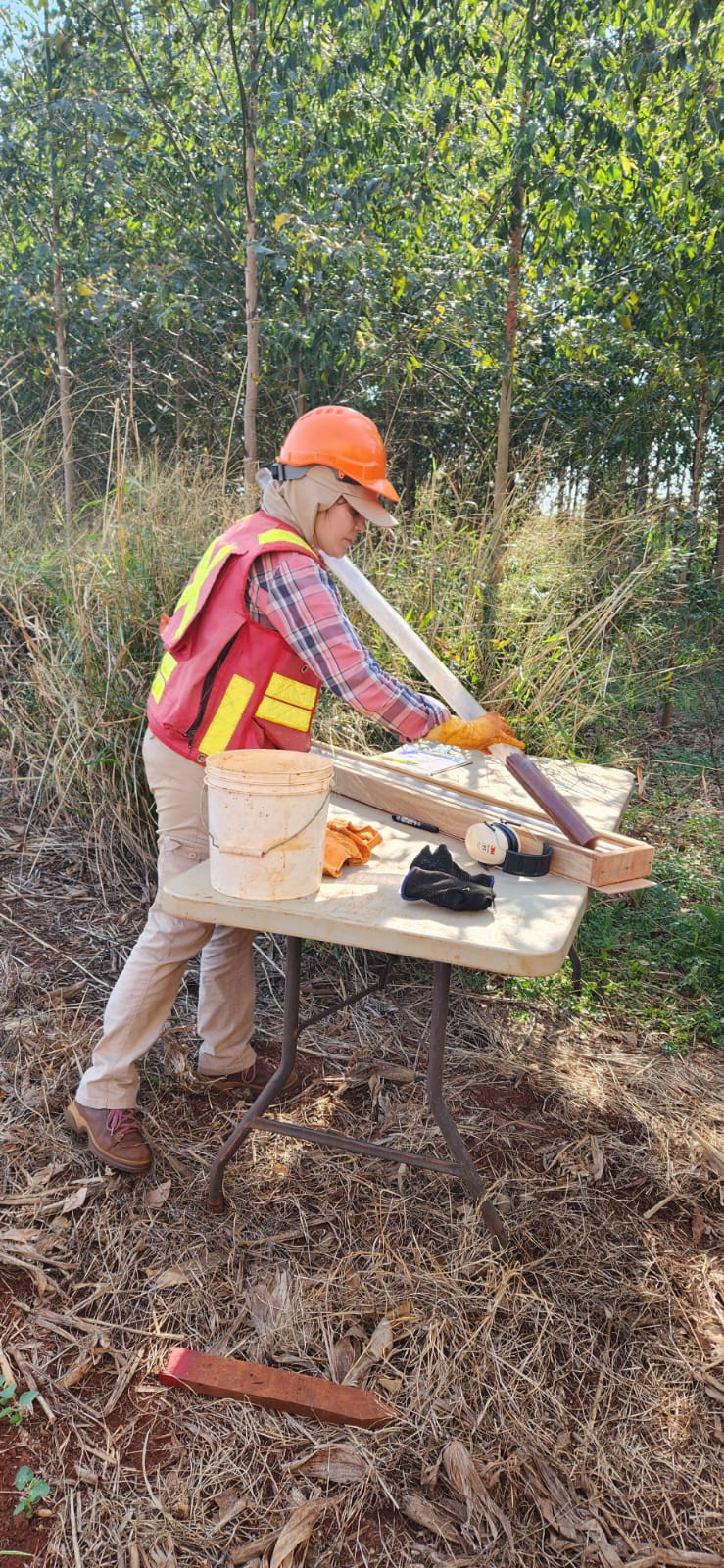
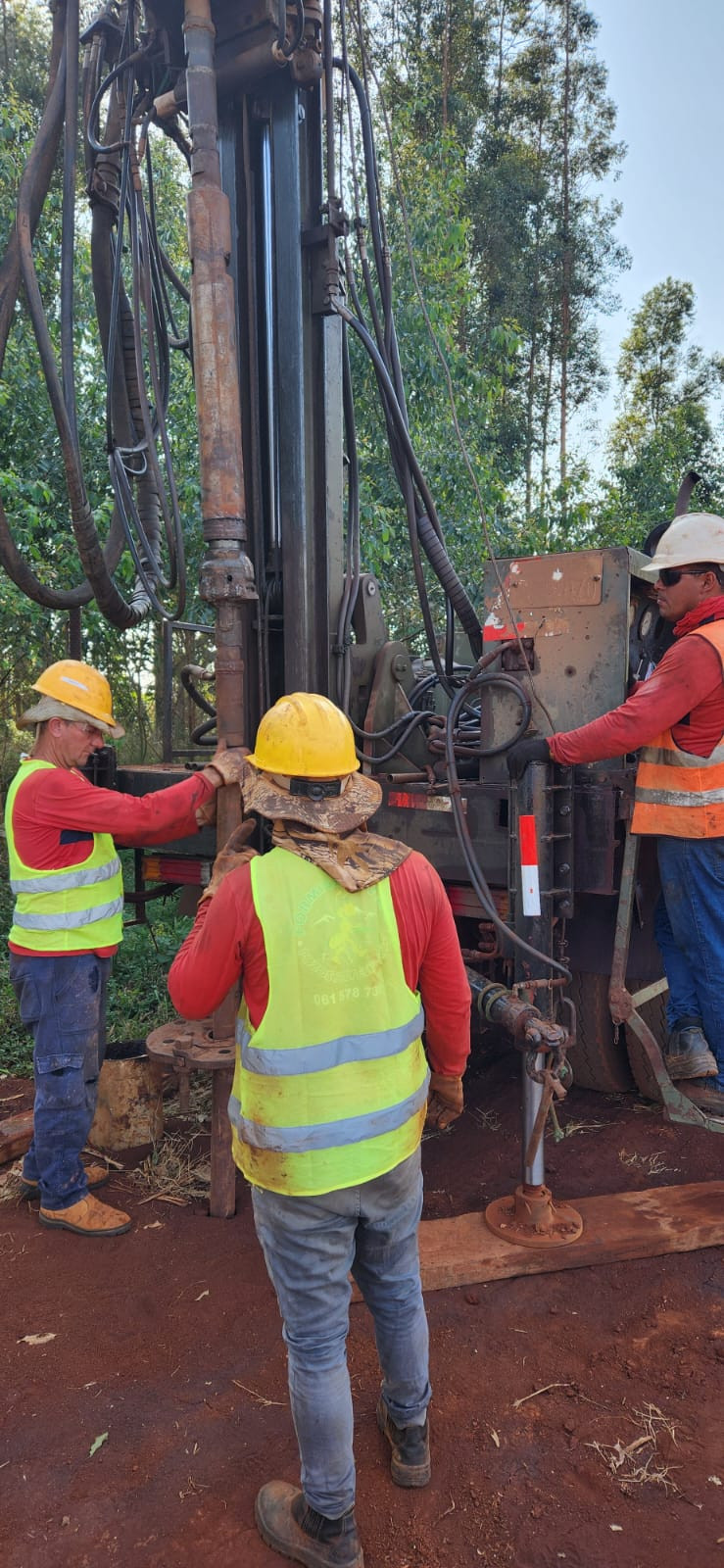
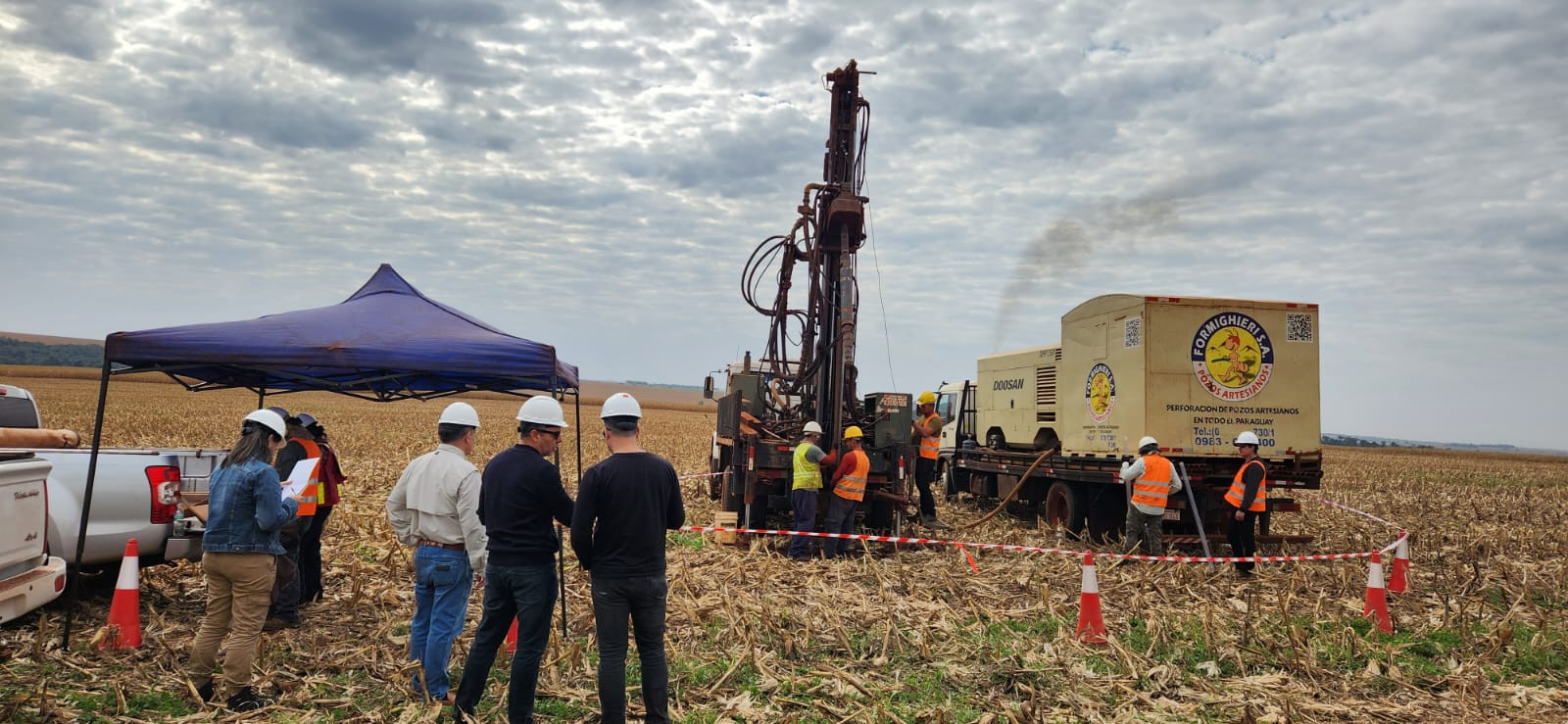
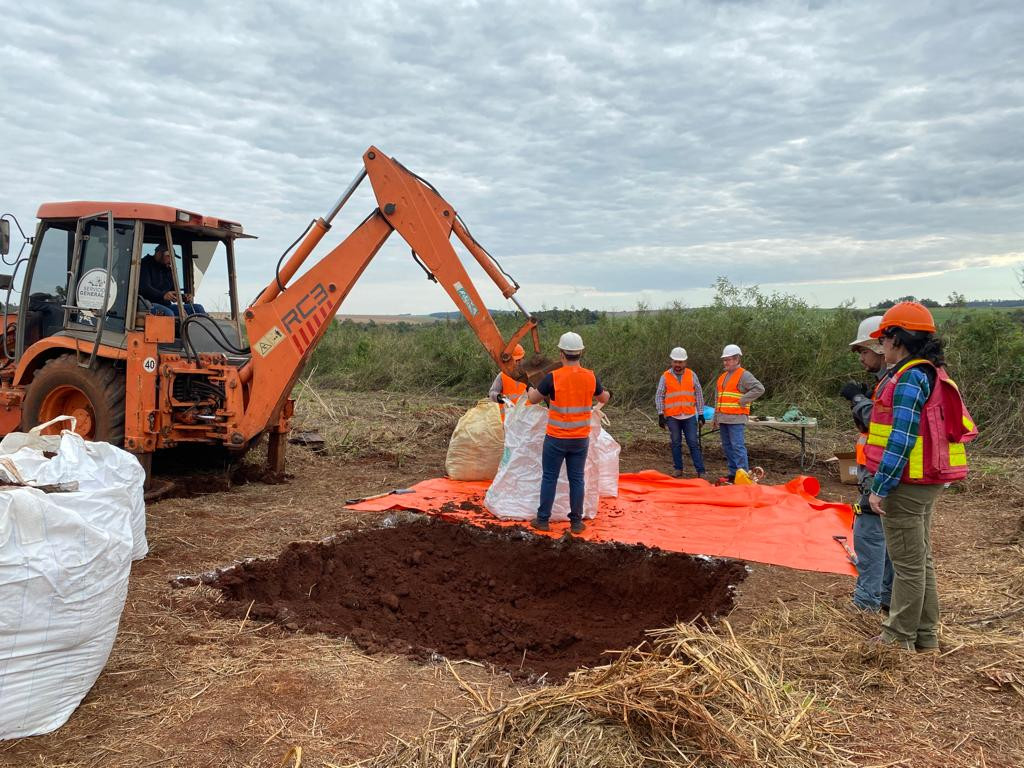
Alto Parana2

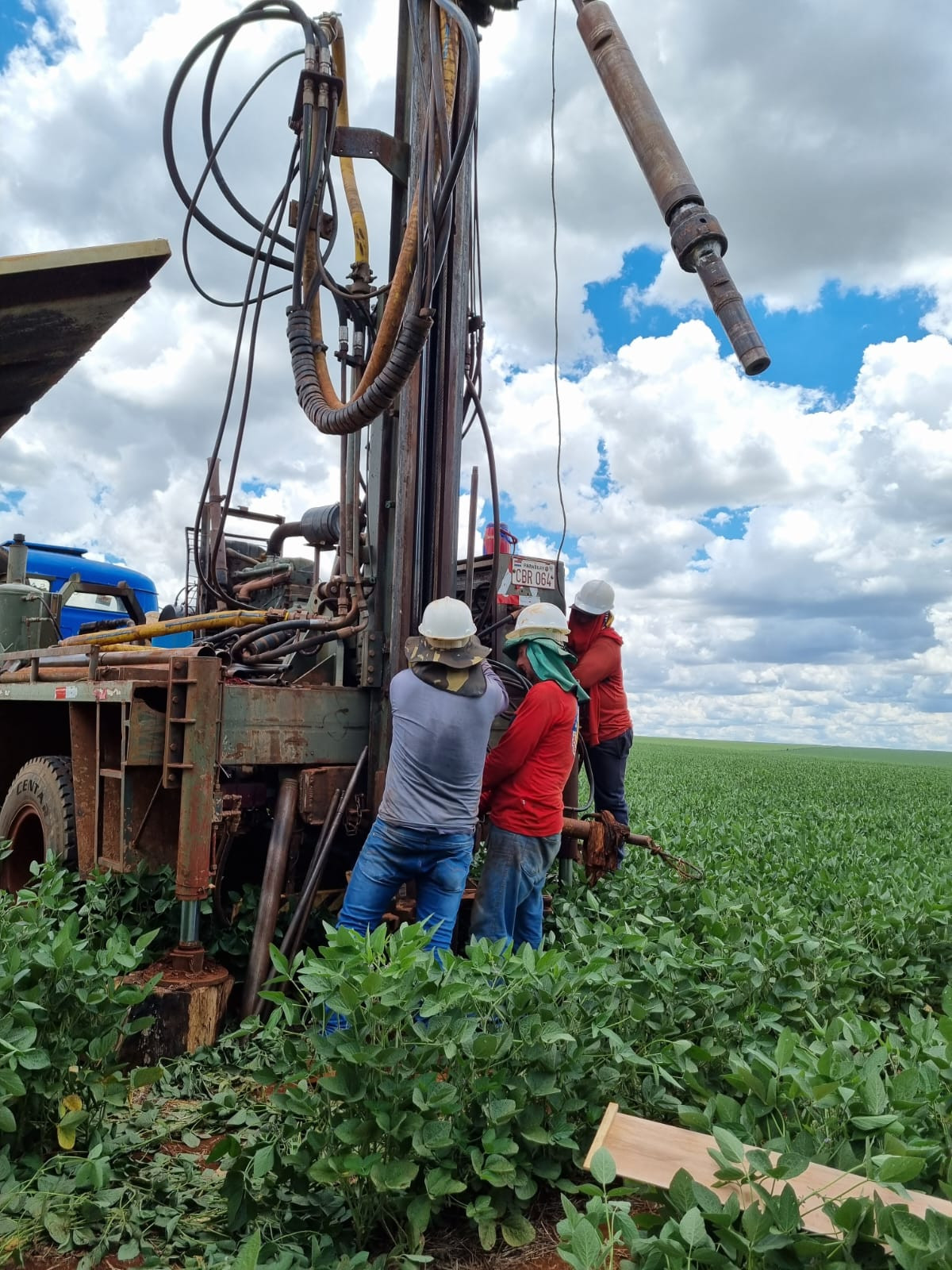
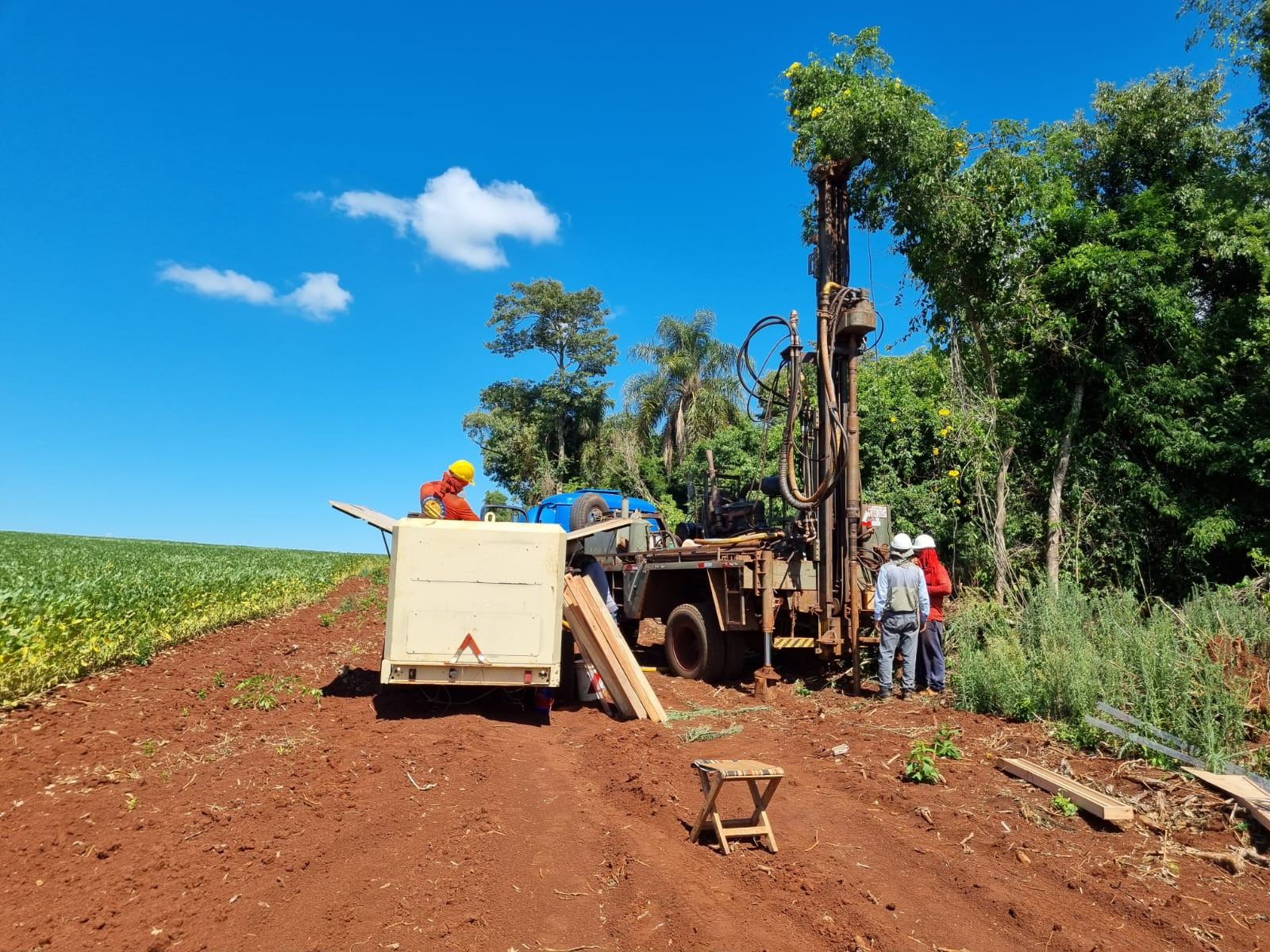
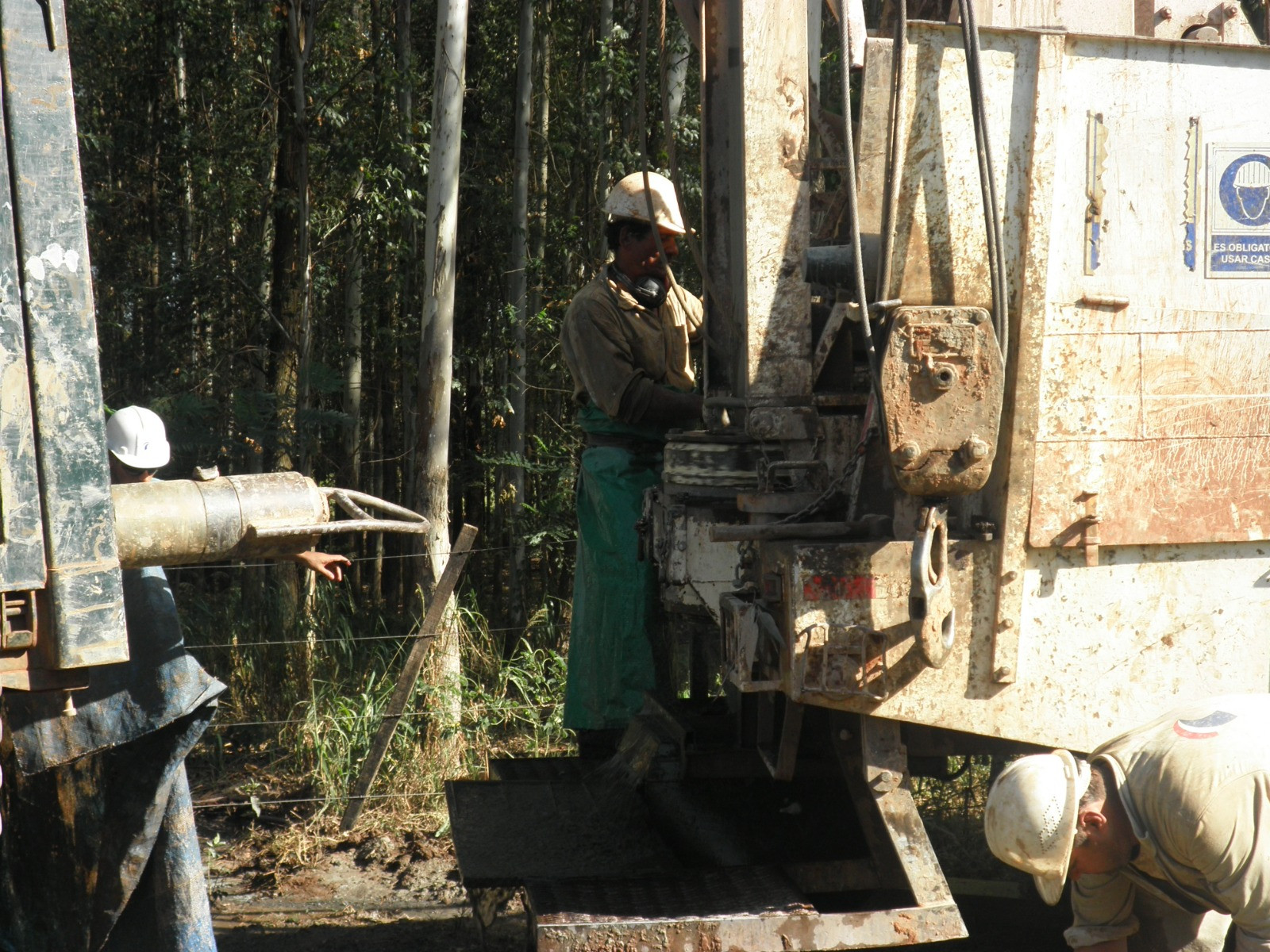
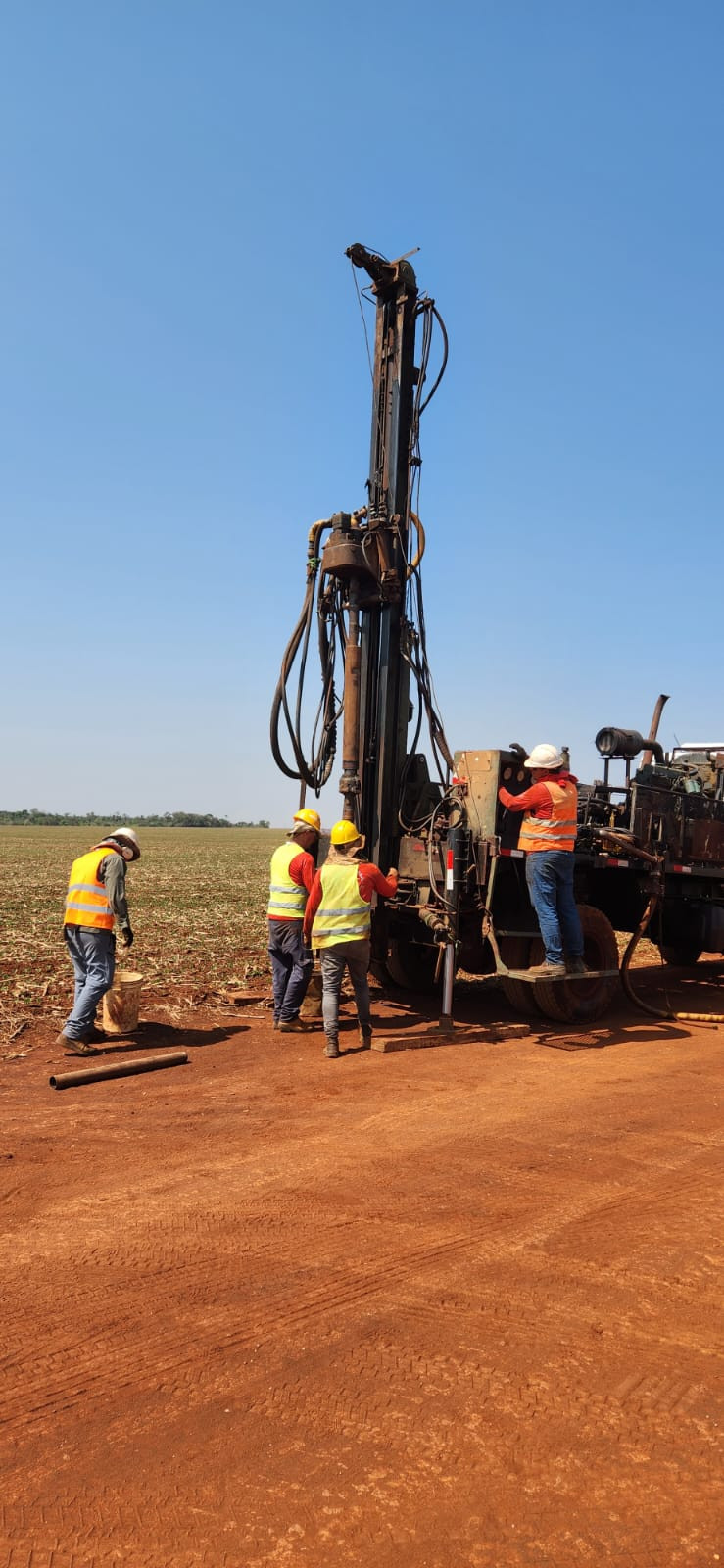
Snapshot
Project Snapshot
- An Independent US SEC S-K 1300 Technical Report Summary Report Summary (TRS) an Indicated Resource 9.074M tonnes @ 0.049% eU3O8 containing 8.962M lbs eU3O8, and an Inferred Resource 2.733M tonnes @0.040% eU3O8 containing 2.203M lbs eU3O8.
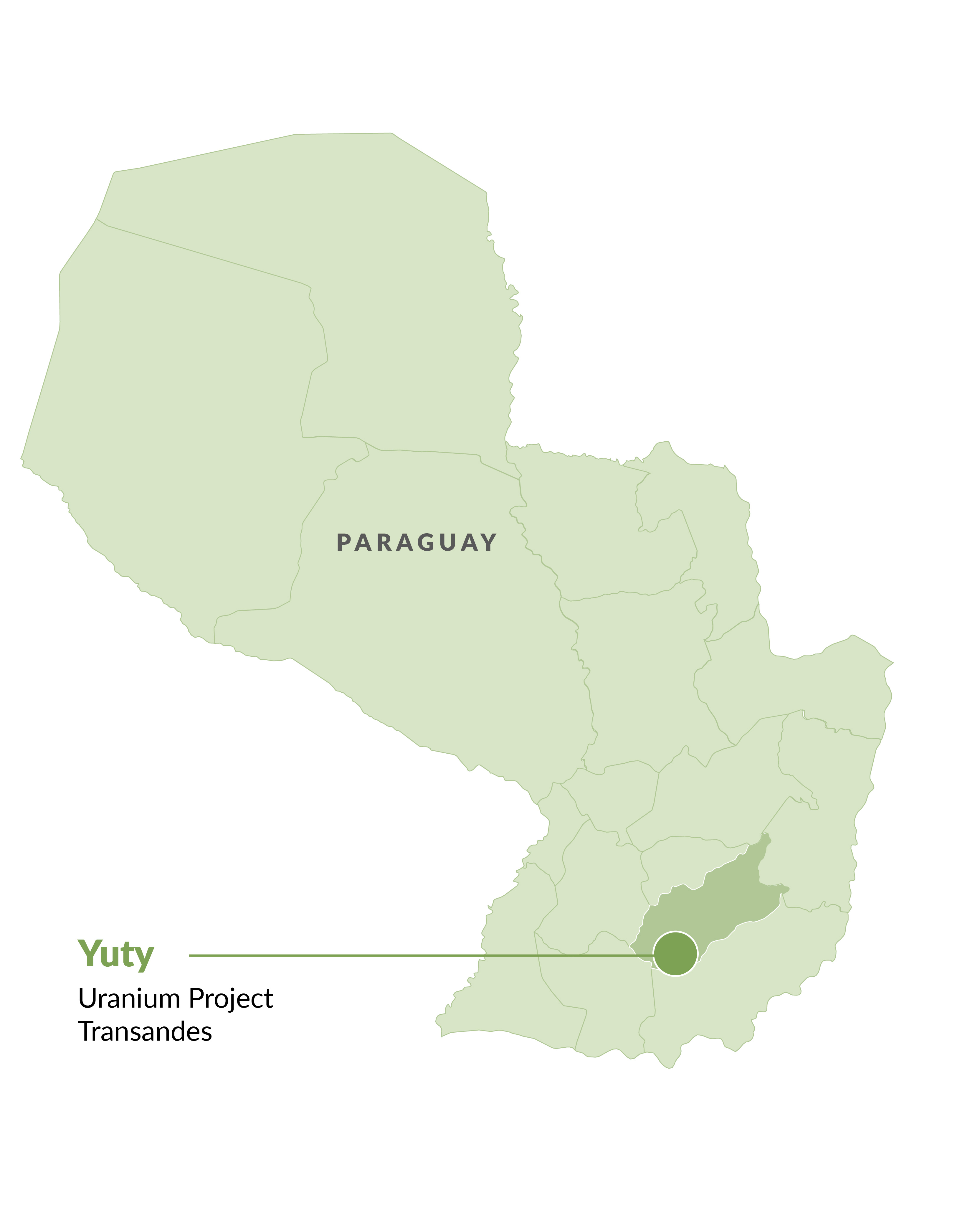
- The Yuty in-situ recovery (ISR) Project covers 290,000 acres and is located approximately 200 kilometers east and southeast of Asunción, the capital of Paraguay.
- It is located within the Paraná Basin, which is host to a number of known uranium deposits, including Figueira and Amorinópolis in Brazil.
- Preliminary studies indicate amenability to extraction by ISR methods.
- Over $19 million spent on developing the Yuty Project from 2006 to 2024 including $16 million spent by the previous owner Cue Resources Ltd. (Cue).
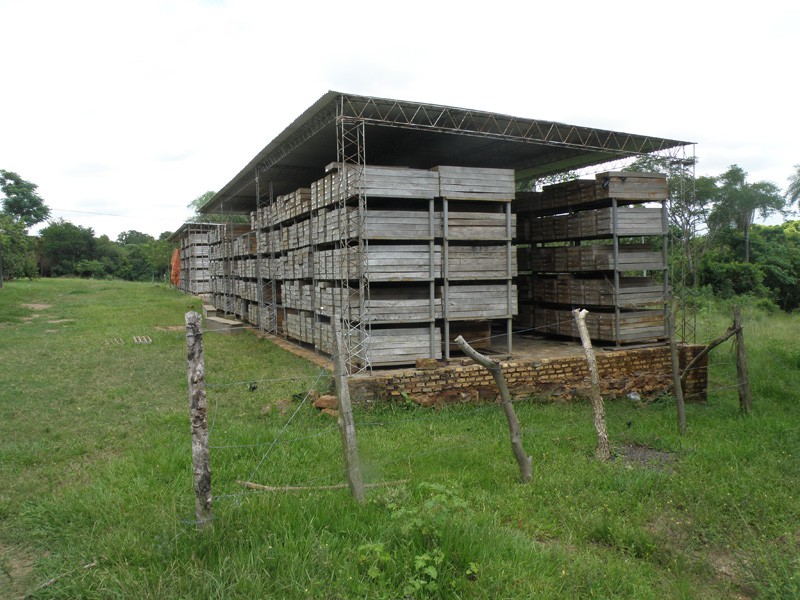
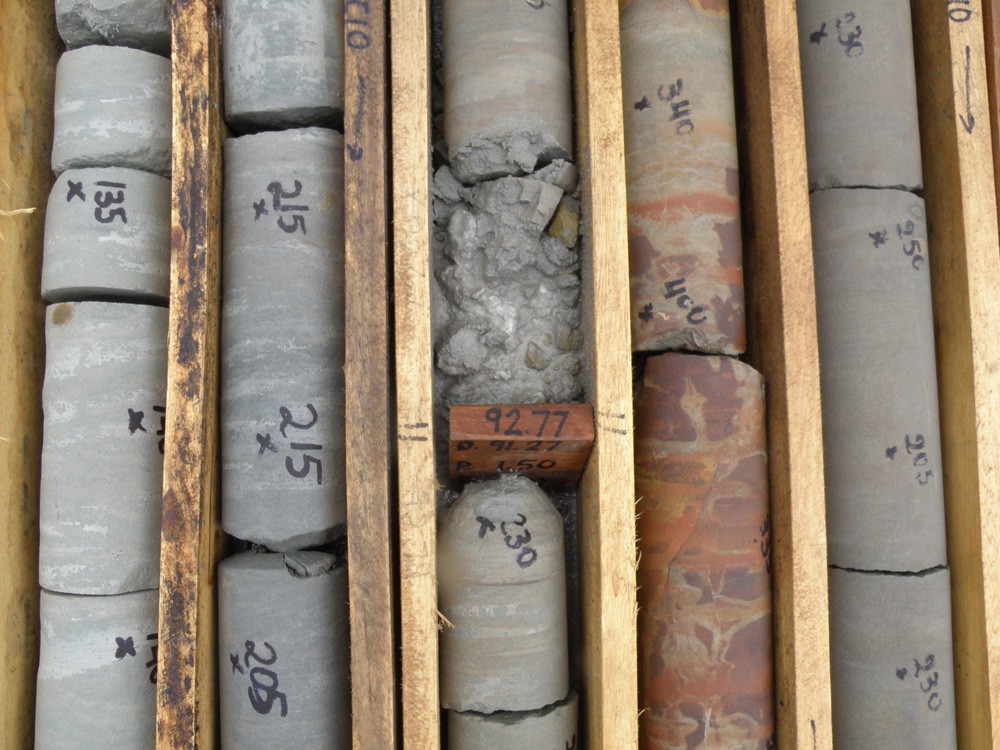
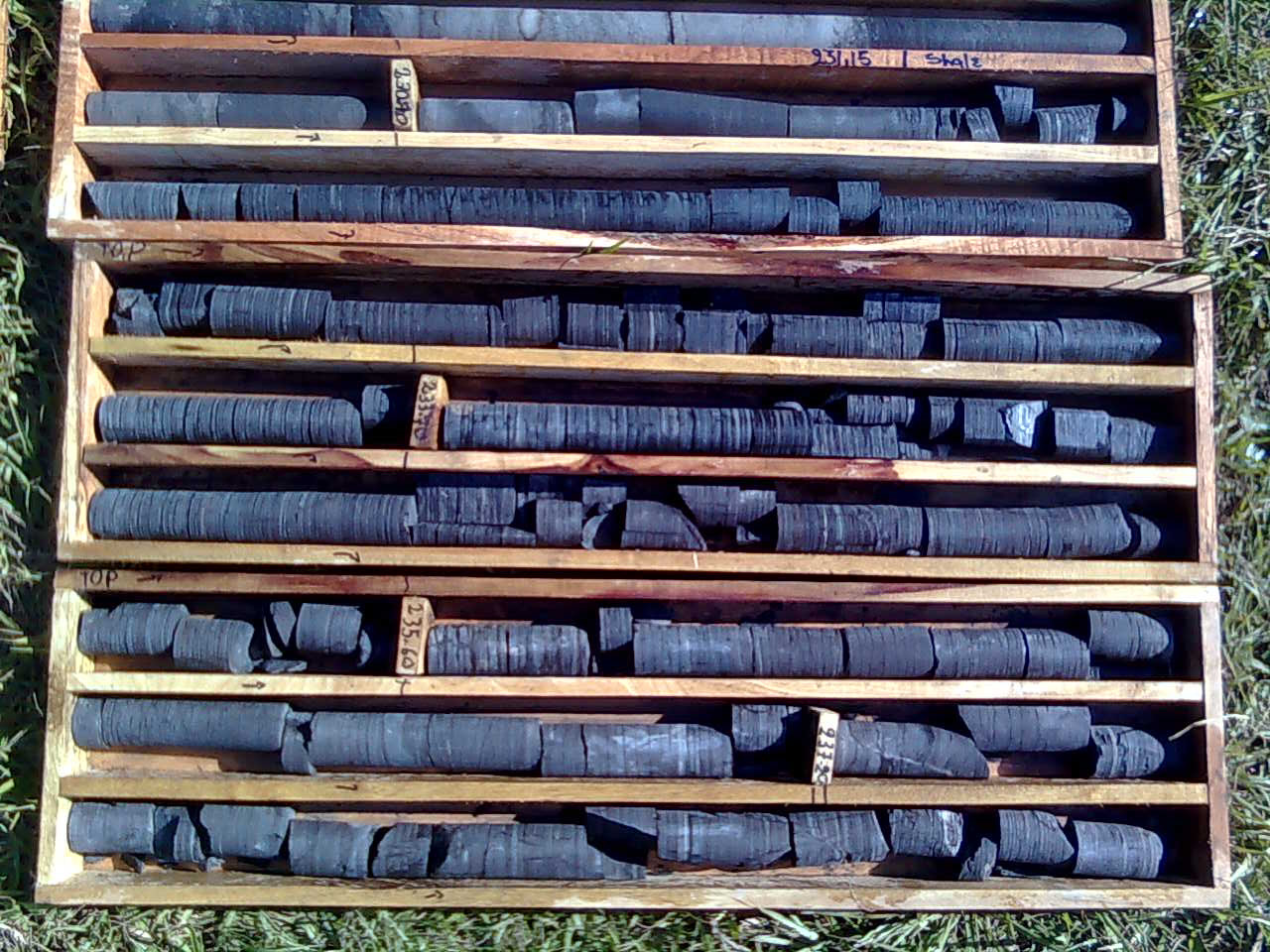
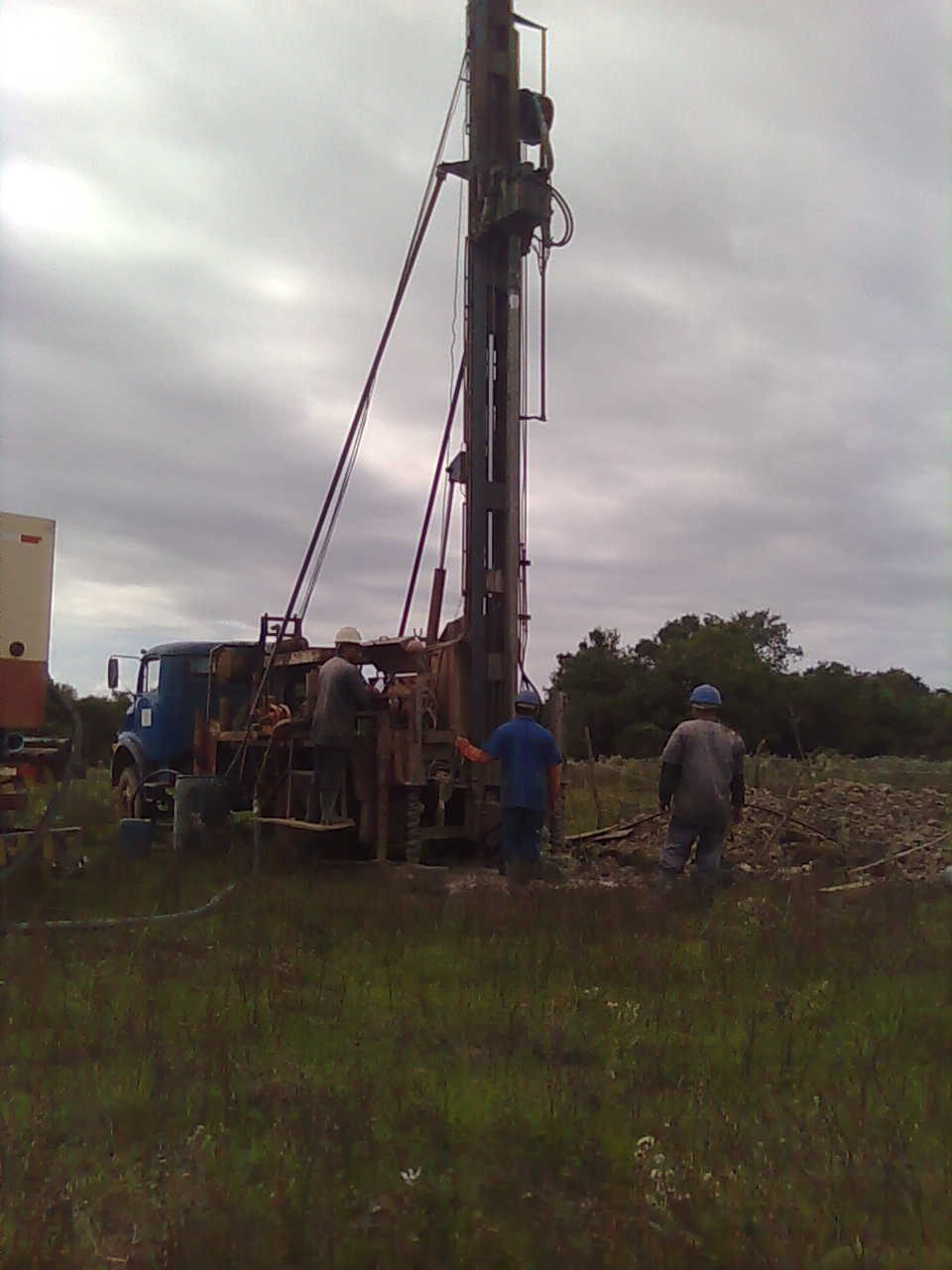
- Subject to extensive uranium exploration by Cue who drilled 256 drill holes totaling 31,000 meters of core and rotary drilling and subsequent drilling by UEC in the region of 3,500 meters.
S-K 1300 Technical Report Summary
Recent Developments
July 20, 2022
Uranium Energy Corp Files SK-1300 Technical Report Summary Disclosing Resources for Its Yuty Project in Paraguay
Oct 15, 2013
Uranium Energy Corp Reports Fiscal 2013 Financial Results and Provides Operations Update
Sep 5, 2013
Uranium Energy Corp Aligns Operations to Market Conditions with Optimization Strategy
Jun 10, 2013
Uranium Energy Corp Reports Fiscal 2013 Q3 Production Results and Provides Operations Update
Project Overview
The Yuty ISR Project covers 290,000 acres and is located approximately 200 kilometers east and southeast of Asunción, the capital of Paraguay. It is located within the Paraná Basin, which is host to a number of known uranium deposits, including Figueira and Amorinópolis in Brazil. Preliminary studies indicate amenability to extraction by in situ recovery methods, which is the same process currently used by UEC at its Texas operations. Over $19 million spent on developing Yuty Project from 2006 to 2024 including $16 million spent by the previous owner, Cue Resources Ltd.
In July 2006, Cue acquired an option on the Yuty Project and initiated rotary and diamond drilling programs. Between 2007 and 2010, Cue completed 256 drill holes totaling 31,000 meters of core and rotary drilling and acquired a 100% interest in the Yuty Project. UEC subsequently drilled a further 3,500 meters.
Effective March 30, 2012, UEC acquired all of the outstanding common shares of Cue, resulting in the acquisition of an undivided 100% interest in the Yuty Project.
Photo Gallery
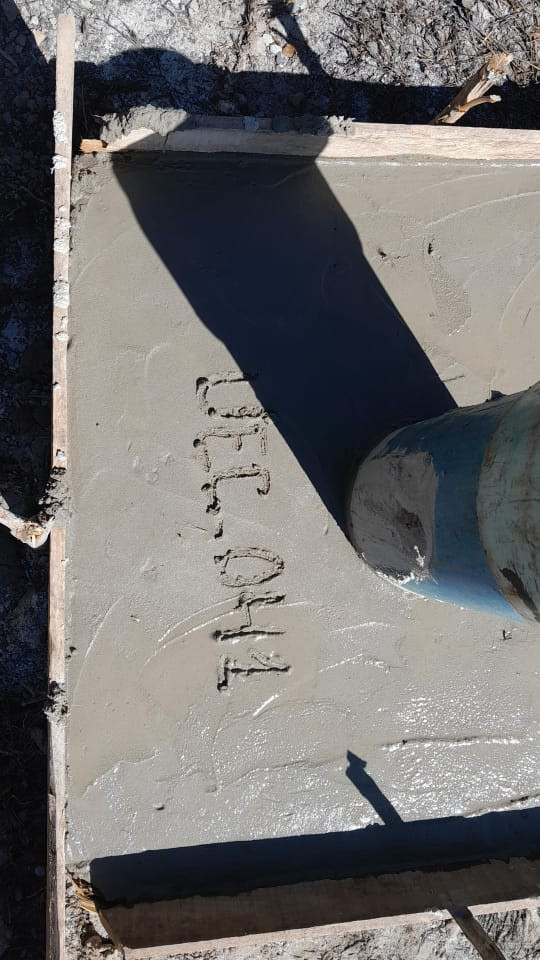
Yuty







Snapshot
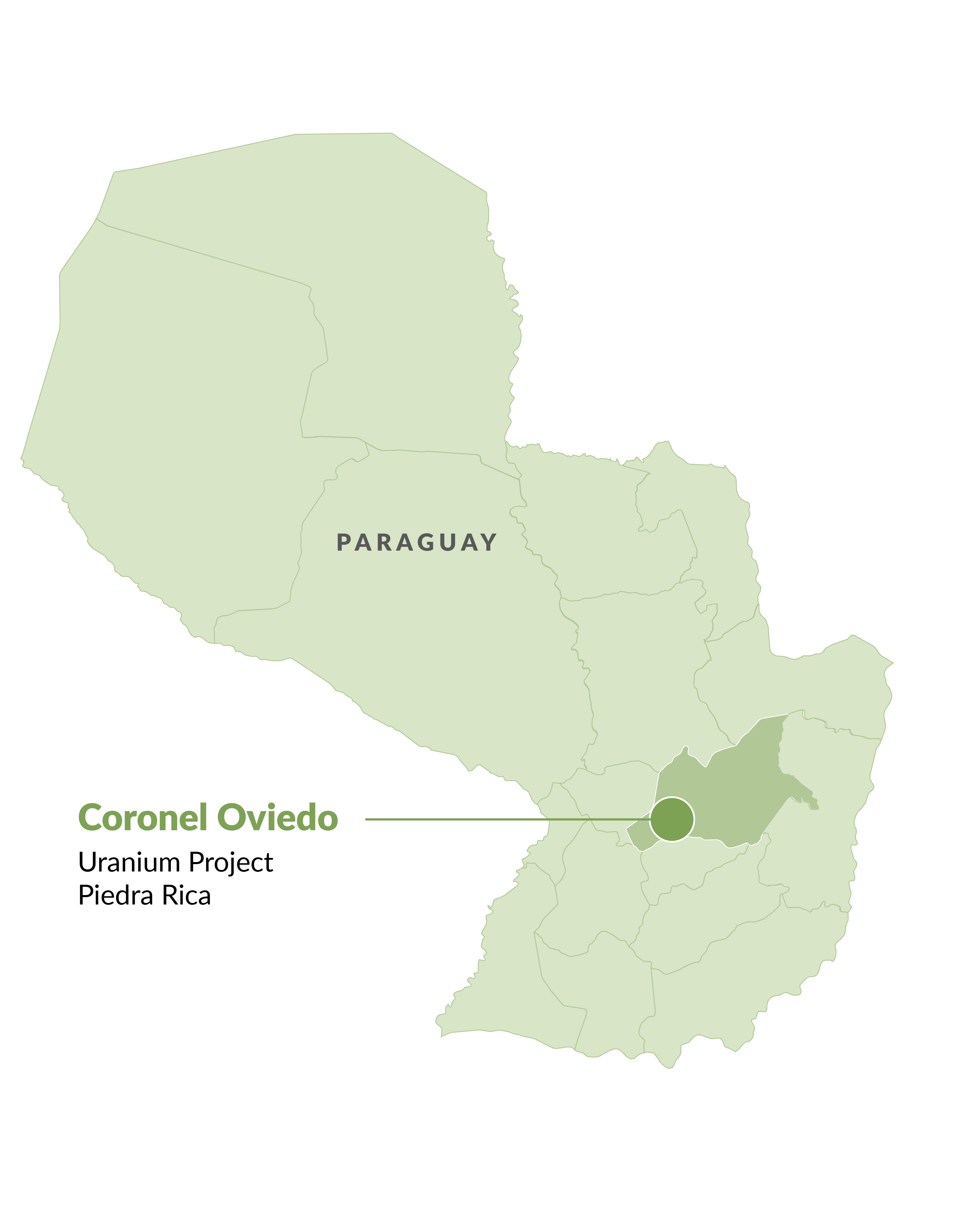
- 223,000 acres project located in the area of Coronel Oviedo, Paraguay holds large-scale potential with similar mineralization and geological setting as the Company's In-situ Recovery (ISR) projects in South Texas
- ISR recovery amenability indicated by Company's initial aquifer test
- Subject to extensive uranium exploration by Anschutz Corp (1976-1983) and Crescent Resources (2006-2008)
Recent Devlopments
Oct 15, 2013
Uranium Energy Corp Reports Fiscal 2013 Financial Results and Provides Operations Update
Sep 5, 2013
Uranium Energy Corp Aligns Operations to Market Conditions with Optimization Strategy
Jun 10, 2013
Uranium Energy Corp Reports Fiscal 2013 Q3 Production Results and Provides Operations Update
Project Overview
The Oviedo Project (the “Project”) is located in stable and business-friendly Paraguay, is geologically very similar to the South Texas uranium belt and is anticipated to be ISR amenable as initially indicated through our pump-test studies.
The Project, covering over 223,000 acres in central Paraguay, was subject to extensive uranium exploration between 1976 and 1983 by Anschutz Corporation of Denver, Colorado, and by Crescent Resources Corp. between 2006 and 2008. Most of the uranium occurrences in this environment are “roll-front” type mineralization similar to deposits currently being produced by low-cost ISR methods in Texas, the western United States, Central Asia and Australia. The work by Anschutz and Crescent was centered on a large belt of Permo-Carboniferous age continental sandstones that represent the western flank of the Parana Basin. According to the Geological Survey of Brazil or CPRM, these same sandstones within the Brazilian section of the Parana Basin contain numerous uranium occurrences including the Figueira Mine that hosted 19 million pounds of U3O8 according to published government reports.
Between 1976 and 1983, Anschutz Corporation, with joint venture partners Korea Electric Power and Taiwan Power Company, spent approximately US$30 million evaluating an area covering over 6.2 million acres of prospective ground in central and eastern Paraguay.
Anschutz identified the Project as prospective towards the end of their regional program. In total, approximately 28 widely spaced drill holes were drilled on the Project, and of these, 17 drill holes showed significant uranium values, with the best being 6.2 feet of 0.153% U3O8 at a starting depth of 785 feet. The drilling also identified three mineralized fronts, and a 75 mile-long fault structure which appears to have been the source of the gases that localized the concentration of uranium, again very similar to a South Texas-type uranium depositional model.
From 2006 to 2008, the Project was optioned to Crescent Resources. During this period, a total of 24 holes were drilled and logged in the southern portion of the Project, offsetting mineralized holes drilled by Anschutz. The Crescent and Anschutz drilling identified an open-ended mineralization area characterized by tabular mineralization similar to that found at the Company’s Goliad Project. The known uranium mineralization on the Project intersected by the past drilling is at depths between 450 and 750 feet.
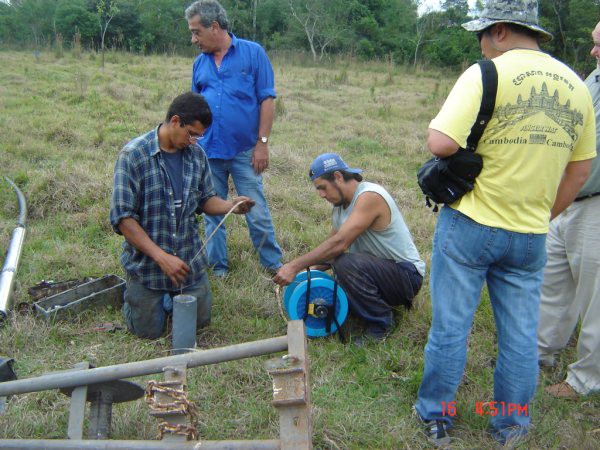
Prior to completing the acquisition, Uranium Energy enlisted HydroSolutions, of Denver, Colorado, to conduct a 24-hour aquifer test in the mineralized area identified by the Anschutz-Crescent drilling programs to determine if the aquifer could sustain extraction rates typical of ISR mining of uranium; and it can.
In 2012 the Company completed a 10,000-meter drilling program, a detailed carborne radiometric survey, Landsat-based structural and geochemical analysis, surface mapping, sampling and other exploration efforts.
- Based on interpretation of both current and historic drill data, uranium mineralization is Sandstone-Type mineralization within the Upper Permian Carboniferous stratigraphic sequence specifically within the San Miguel Formation;
- Aquifer testing to date indicates that the uranium bearing unit has aquifer characteristics that would support operational rates for in-situ recovery (“ISR”) mining and that the aquifer properties determined from the test fall within the range of values determined at other uranium ISR projects located in Wyoming, Texas and Nebraska;
- Limited core data indicates that the uranium mineralization is in radiometric equilibrium;
- Drilling identified an oxidation reduction (redox) boundary along some 21 kilometers (13 miles) and demonstrated that significant thicknesses (1.9 to 11.1 meters) of mineralization are present. In addition, based on surface radiometric anomalies and limited drill data, the redox boundary may be projected an additional 40 kilometers; and
Other portions of the Project area are sparsely explored. Surface radiometric anomalies and the favorable geologic setting in these areas warrant further exploration.
Photo Gallery
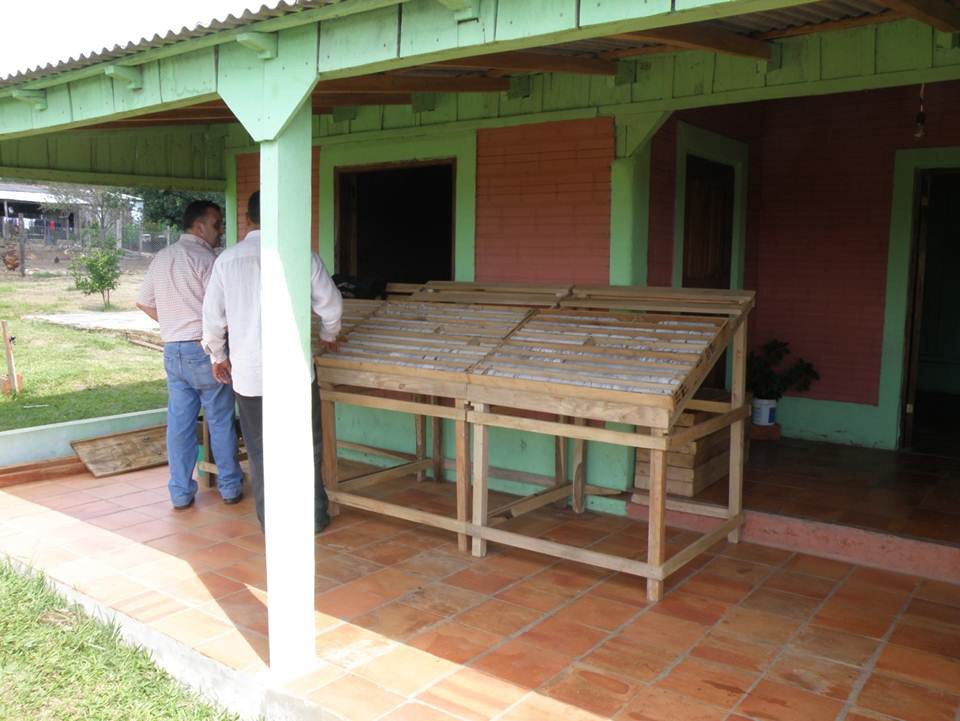
Oviedo